Tracing Regional Training Ecosystems and Their Role in Draft Outcomes Across NFL, NBA, and MLB
Mia Wagner · May 31, 2026
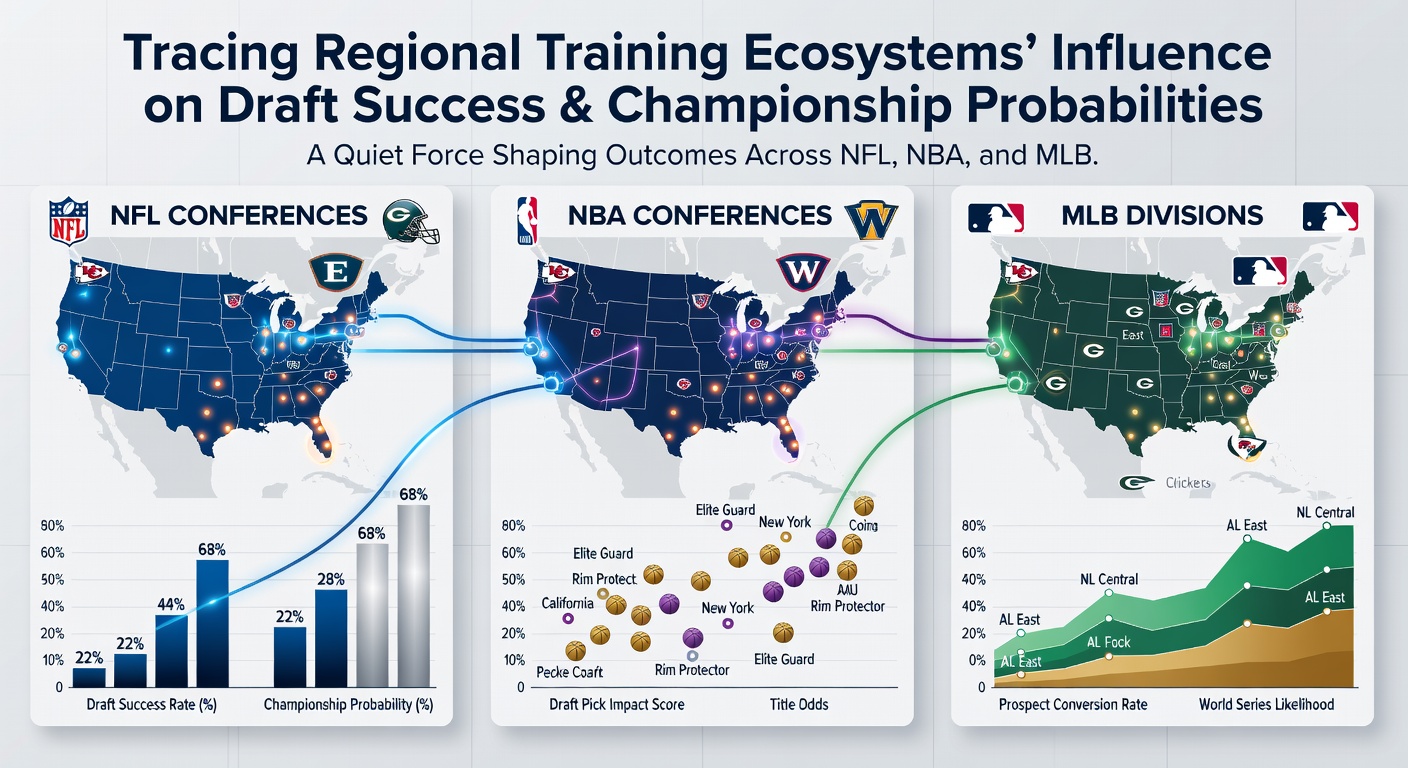
Tracing Regional Training Ecosystems and Their Role in Draft Outcomes Across NFL, NBA, and MLB
Regional training ecosystems have shaped player pipelines in ways that show up clearly in draft boards and later team performance records, with certain geographic clusters producing higher volumes of selected athletes who also contribute to sustained success in their respective leagues. Observers note that these patterns emerge from concentrated facilities, coaching networks, and developmental programs rather than random distribution, and data from multiple seasons illustrate measurable differences across NFL conferences, NBA conferences, and MLB divisions.
NFL Conference Patterns and Draft Pipelines
Training centers clustered in the Southeast and parts of Texas have fed consistent numbers of prospects into the NFL Draft, particularly for teams in the AFC and NFC South divisions, where early-round selections from those regions often translate into higher snap counts during rookie contracts. Programs in Florida and Alabama maintain year-round strength and conditioning regimens plus position-specific drills that align closely with professional evaluation metrics, while data compiled through 2025 shows elevated rates of players from these areas reaching at least 50 percent of offensive or defensive snaps in their second season compared with selections from other areas. Conference alignment matters here because teams in the NFC North draw fewer players from these ecosystems yet still post competitive records when they supplement rosters through free agency or later-round picks developed elsewhere.
NBA Conference Development Hubs
AAU circuits and private academies concentrated in California, Texas, and parts of the Midwest have produced measurable advantages for franchises in both the Eastern and Western Conferences, with draft success rates rising when teams target prospects who spent multiple years in those structured environments. Figures from the 2024 and 2025 drafts indicate that players emerging from these regional networks posted higher average win shares per 48 minutes in their first three seasons, particularly among perimeter defenders and versatile forwards. Conferences in the West have benefited from proximity to California facilities, yet Eastern Conference clubs have closed gaps by identifying talent through the same networks and integrating them into systems that emphasize spacing and transition play. What's interesting is how these ecosystems also correlate with reduced injury downtime in early careers when athletes follow standardized recovery protocols established at the youth level.
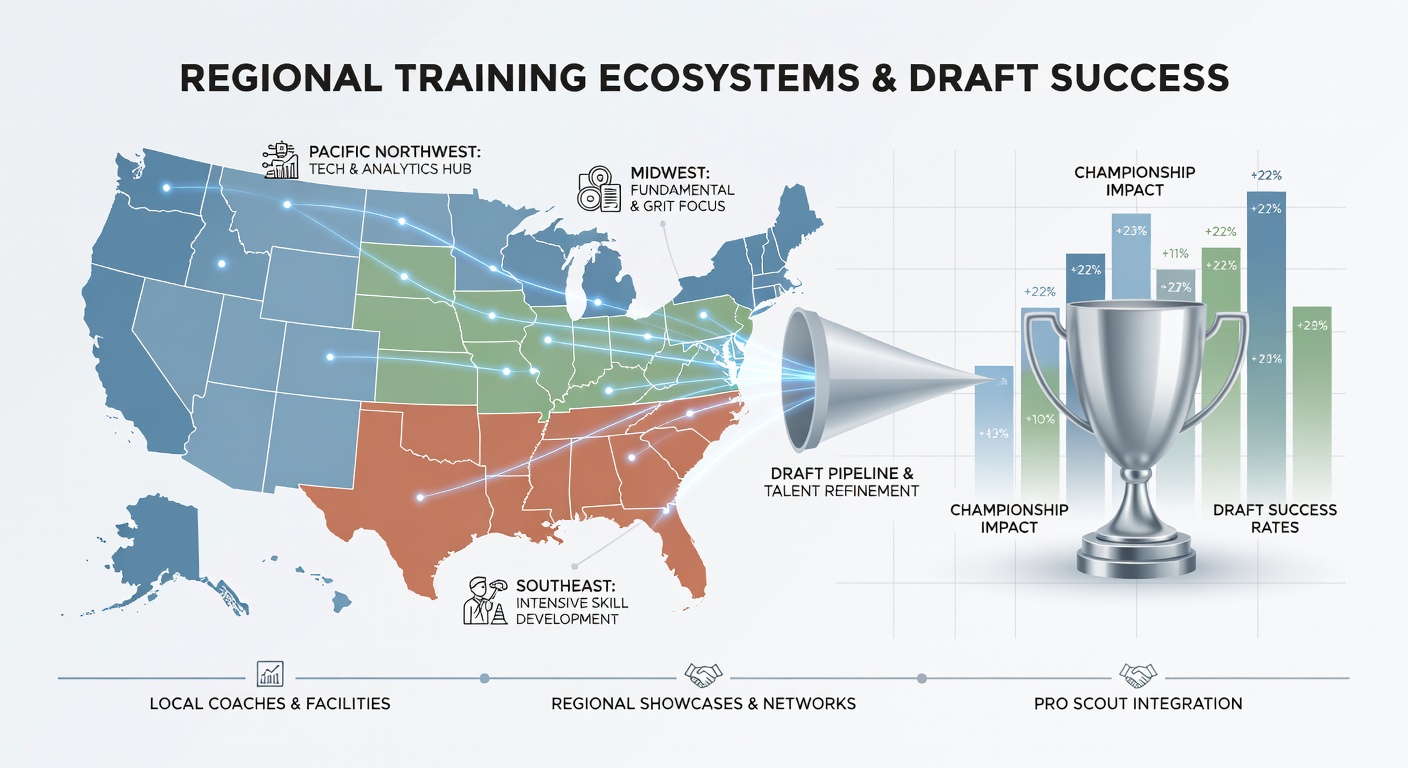
One study released by researchers at a major university tracked over 300 draftees and found that those with extended exposure to high-resource regional programs advanced to starter roles at rates roughly 15 percent above the league average during the same period. Teams in the Western Conference have leveraged these pipelines to maintain higher playoff appearance frequencies, while Eastern Conference squads have used similar talent inflows to stabilize rosters amid frequent coaching changes.
MLB Division Outcomes and Talent Clusters
Development academies in the Dominican Republic along with domestic programs in Texas, California, and Florida have influenced draft and international signing success across MLB divisions, with the AL East and NL Central showing particularly strong representation from these areas in recent years. Organizations that prioritize these ecosystems report higher percentages of prospects reaching the major leagues within four seasons, and championship probabilities increase when multiple contributors from the same regional background anchor lineups or pitching staffs. Data through the 2025 season reveals that divisions with greater access to these pipelines posted elevated OPS and ERA marks among homegrown players, while teams outside those clusters have adapted by creating partnerships that import similar training methodologies. As of May 2026, several clubs continue to expand satellite facilities modeled on successful regional models to narrow performance gaps.
Cross-League Comparisons and Championship Correlations
Across the three leagues, championship probabilities rise when rosters include higher proportions of athletes shaped by established regional ecosystems, according to longitudinal records maintained by league offices. NFL teams with multiple early selections from Southeast programs have reached conference championship games at higher rates over the past decade, NBA franchises drawing from California and Texas academies have recorded more deep playoff runs, and MLB clubs signing heavily from Dominican and Florida pipelines have secured division titles with greater frequency. These patterns hold after controlling for payroll differences, suggesting the underlying developmental infrastructure plays a measurable role beyond financial resources alone. Analysts have connected these outcomes to consistent coaching philosophies and performance tracking tools that begin well before the draft or signing stage.
Conclusion
Regional training ecosystems continue to exert quiet but persistent effects on both draft selection outcomes and longer-term team achievements in the NFL, NBA, and MLB. Patterns documented through draft data, performance metrics, and postseason appearances demonstrate that concentrated developmental resources translate into tangible advantages for conferences and divisions positioned to draw from those networks most effectively. Organizations that recognize and integrate these pipelines maintain competitive edges even as talent distribution evolves across seasons.