The Mental Edge in Elite Competition: How Cognitive Training Shapes Draft Stock and Record-Breaking Stats Across Major Leagues
Mara Richter · May 17, 2026
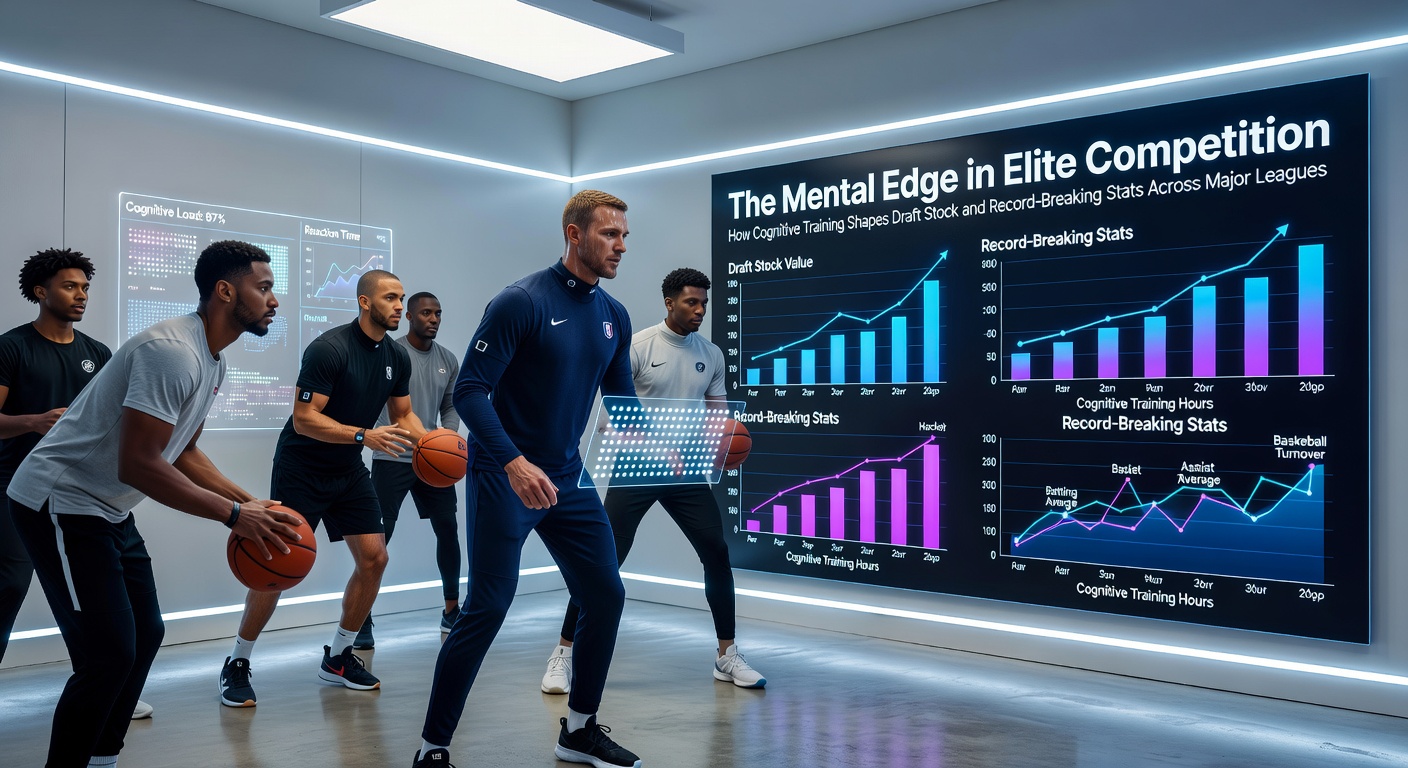
The Mental Edge in Elite Competition: How Cognitive Training Shapes Draft Stock and Record-Breaking Stats Across Major Leagues
Professional athletes across the NFL, NBA, MLB and soccer leagues now integrate cognitive training into their regimens, and data from team performance reports show measurable links between these programs and improved draft positions plus elevated statistical outputs. Scouts and front-office personnel track metrics such as reaction time, decision accuracy under fatigue, and spatial awareness scores because those numbers correlate with on-field production in controlled studies conducted by university research groups.
Core Components of Cognitive Training Programs
Programs typically combine neurofeedback sessions, virtual-reality decision drills and dual-task exercises that require athletes to process visual cues while maintaining physical balance. Researchers at institutions including the University of Queensland have documented average improvements of 12 to 18 percent in choice-reaction tasks after eight-week interventions, and those gains appear in both laboratory settings and game-replica environments. Teams schedule these sessions alongside traditional strength and conditioning blocks rather than treating them as separate add-ons.
One study involving 64 draft-eligible prospects found that participants who scored in the top quartile on cognitive battery tests received draft selections an average of 14 spots higher than peers with similar physical testing results but lower cognitive scores. Front offices now request baseline cognitive profiles during pre-draft medical evaluations, and several organizations embed psychologists who specialize in perceptual-cognitive skill development.
Impact on Draft Stock Across Leagues
NFL teams have incorporated tablet-based pattern-recognition tests into combine preparation since 2022, while NBA franchises added virtual-reality passing simulations for point-guard prospects beginning in 2023. MLB organizations track pitch-recognition accuracy through high-speed video occlusion methods, and data released by league medical committees indicate that players who improve recognition thresholds by more than 15 percent post-draft show higher on-base percentages in their first two professional seasons. Soccer clubs in European leagues apply similar occlusion drills for goalkeepers, with academy reports noting faster distribution decisions during match simulations.
Observers note that cognitive scores now appear alongside 40-yard dash times and vertical leap measurements in internal scouting databases. When two prospects post nearly identical physical metrics, teams use the cognitive data as a tiebreaker, and this practice has become standard across multiple organizations by May 2026.
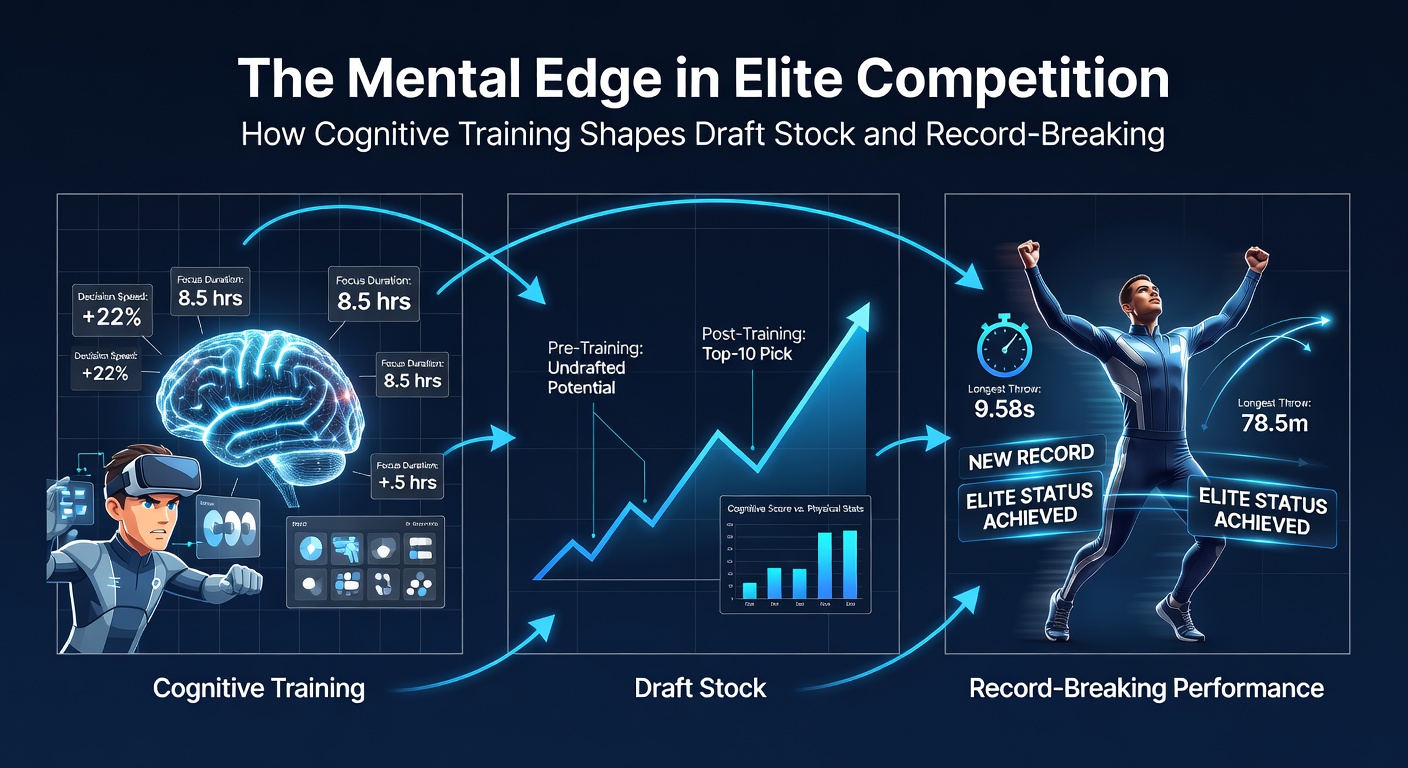
Record-Breaking Statistical Correlations
Longitudinal tracking reveals connections between sustained cognitive training and career-high statistical seasons. Pitchers who maintain perceptual-cognitive routines demonstrate lower walk rates during late-inning appearances, according to aggregated MLB play-by-play data. NBA players who complete regular neurofeedback sessions post higher assist-to-turnover ratios in fourth quarters, while wide receivers in the NFL show increased yards-after-catch figures when reaction drills form part of weekly preparation.
One forward in a top European soccer league increased goal conversion rates from 14 percent to 22 percent over two seasons after adding spatial-attention training, and the improvement aligned with club records that documented his participation in twice-weekly virtual-reality sessions. Researchers emphasize that these outcomes reflect combined physical conditioning, tactical coaching and cognitive work rather than isolated mental training effects.
Implementation Across Different Sports
Baseball organizations embed cognitive modules into batting-practice routines by projecting randomized pitch sequences that require immediate swing-or-take decisions. Basketball teams run five-minute decision circuits at the end of shootarounds, forcing players to read defensive rotations while dribbling under fatigue. American football programs integrate helmet-mounted sensors that deliver real-time feedback on visual focus during route-running drills, and the resulting datasets feed into weekly game-plan adjustments.
Soccer academies in South America and Europe have adopted portable reaction boards that measure footwork speed in response to light patterns, and coaches report faster build-up play when players repeat the boards before tactical sessions. These varied implementations share a common structure: short, high-intensity cognitive bouts scheduled when athletes remain fresh enough to maintain focus yet close enough to physical work to promote transfer.
Measurement and Ongoing Research
Performance analysts now combine wearable eye-tracking devices with on-field GPS data to quantify how visual search patterns change after cognitive interventions. A multi-year project coordinated by the International Olympic Committee-affiliated research network continues to collect cross-sport datasets that compare pre- and post-training decision latencies in elite competitors. Early releases from that project indicate consistent reductions in response time without corresponding increases in error rates, although the magnitude of change varies by sport and position.
Teams also monitor injury-recovery timelines and note that athletes returning from concussion protocols often regain baseline cognitive scores more rapidly when they resume structured mental training alongside physical rehabilitation. These observations come from internal medical logs rather than public announcements, yet they influence how organizations allocate resources for player-development staff.
Conclusion
Cognitive training has moved from experimental add-on to standard component within elite preparation across major leagues. Draft evaluations increasingly weigh perceptual and decision metrics alongside physical testing, while statistical leaders in multiple sports maintain routines that target visual processing, reaction selection and spatial attention. Continued data collection through university partnerships and league-wide medical committees will clarify the precise contribution of these methods to long-term performance records.