Sleep Science Applications in Optimizing Reaction Times Among Professional Tennis Competitors and NBA Roster Members
Mara Richter · Aug 23, 2026
Sleep Science Applications in Optimizing Reaction Times Among Professional Tennis Competitors and NBA Roster Members
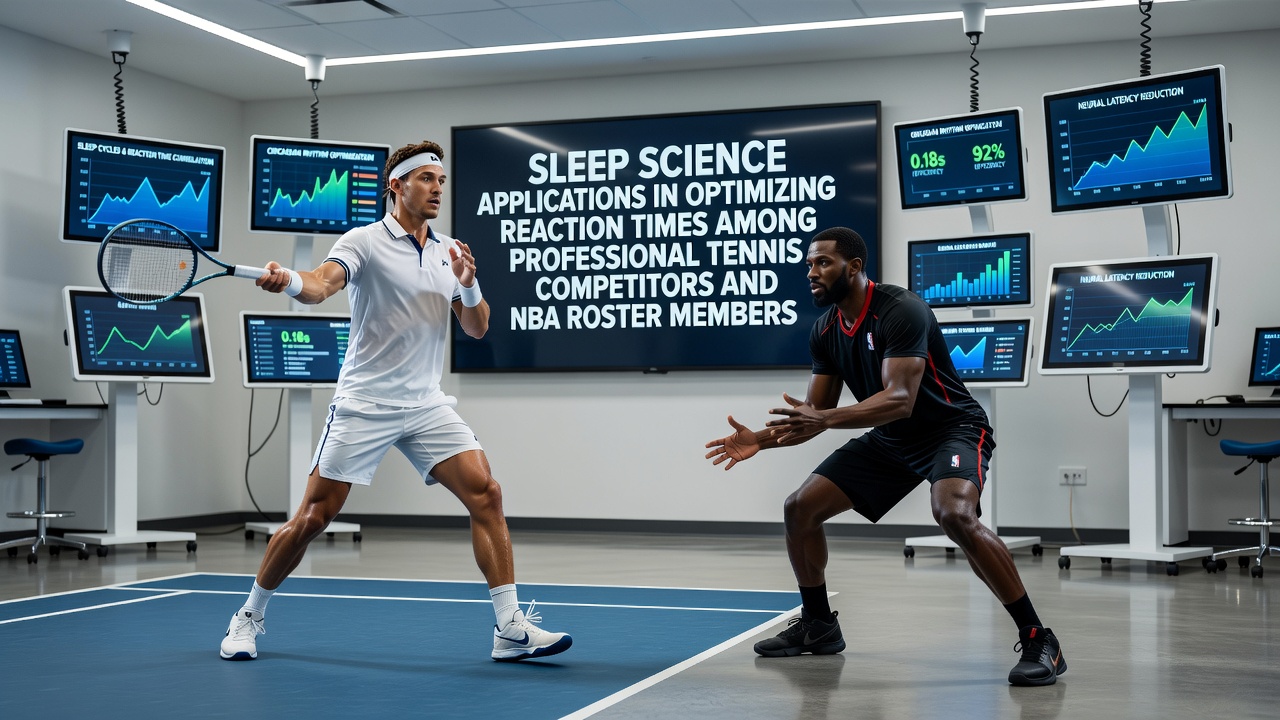
Reaction times in elite tennis and basketball hinge on neural processing speed, and sleep science has emerged as a key factor in maintaining those edges. Researchers have documented how sleep cycles influence cognitive sharpness, with data from multiple studies showing that consistent rest periods correlate with faster responses during high-stakes matches. In tennis, serves travel at speeds exceeding 200 kilometers per hour, while NBA players must react to passes and drives within fractions of a second, and both demands draw directly from rested brain function.
Core Mechanisms Linking Sleep to Reaction Time
Deep sleep stages support memory consolidation and synaptic recovery, processes that researchers link to improved decision-making under pressure. Studies conducted at institutions across North America and Europe indicate that athletes who achieve seven to nine hours of uninterrupted sleep demonstrate measurable gains in simple reaction time tests, often by 10 to 15 milliseconds. Those gains compound during matches, where cumulative fatigue otherwise slows visual processing and motor execution. Polysomnography data collected from professional cohorts further reveal that REM sleep phases contribute to emotional regulation, reducing the likelihood of delayed responses caused by stress-induced hesitation.
Implementation in Professional Tennis
Tennis governing bodies and performance teams have integrated sleep monitoring into training regimens since the early 2020s. Wearable devices track sleep architecture, allowing coaches to adjust practice intensity when data show insufficient slow-wave sleep. One longitudinal project involving Grand Slam competitors found that players who maintained stable sleep schedules across tournament weeks recorded higher first-serve percentages and quicker court coverage times. Training facilities in Australia and Spain now pair actigraphy readings with on-court drills, adjusting recovery windows so that athletes enter matches with optimized neural readiness. Tournament schedules in 2026 continue to incorporate these metrics, with several events offering extended rest days based on aggregated sleep reports from participants.
Applications Within NBA Rosters
NBA teams employ sleep science through dedicated sports science departments that monitor roster members via integrated apps and sensors. Game schedules that span multiple time zones disrupt circadian rhythms, yet protocols developed from research at the National Institutes of Health help teams mitigate those effects. Players receive personalized sleep hygiene plans that include light exposure timing and pre-game routines calibrated to individual chronotypes. Performance logs from the 2024-2025 season showed that squads enforcing consistent sleep targets posted improved defensive reaction metrics, including steal rates and block timings. Data streams from these programs feed into league-wide efficiency models, allowing front offices to factor recovery quality into roster management decisions.
Technological Tools and Measurement Protocols
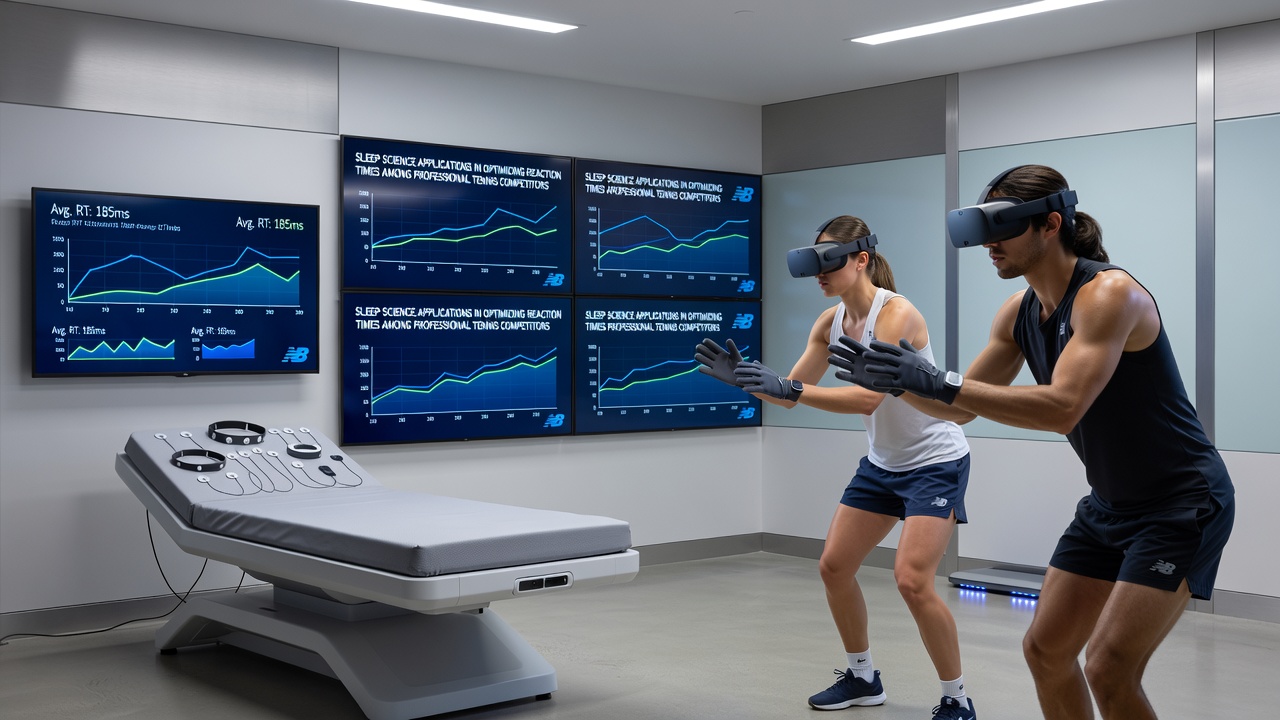
Modern applications rely on a combination of EEG headbands, heart rate variability trackers, and validated reaction time apps. These tools generate nightly reports that performance analysts cross-reference with game statistics. In August 2026, several tennis academies and NBA franchises began piloting AI-driven platforms that predict reaction time decrements 48 hours in advance, enabling proactive schedule adjustments. Validation studies from the European Sleep Research Society confirm that such predictive models achieve accuracy rates above 80 percent when calibrated against on-court or on-court performance data. Teams also use controlled nap protocols, with short midday rests shown to restore alertness without interfering with nighttime sleep architecture.
Cross-Sport Data Patterns and Training Adjustments
Comparative analyses between tennis and basketball reveal shared vulnerabilities to sleep fragmentation. Both sports feature intermittent high-intensity bursts that tax the central nervous system, and athletes in each discipline benefit from similar recovery strategies. Research groups tracking elite cohorts note that even partial sleep restriction over consecutive nights produces cumulative slowing in choice reaction tasks. Consequently, strength and conditioning staffs coordinate with sleep specialists to build individualized buffers around travel and competition calendars. Nutrition timing, light management, and pre-sleep routines form integrated packages that support sustained reaction speed across long seasons.
Conclusion
Sleep science continues to supply measurable frameworks for enhancing reaction times in professional tennis and NBA settings. Objective data from wearable technology, controlled studies, and performance tracking demonstrate consistent associations between sleep quality and reflexive speed. As monitoring systems evolve and schedules adapt, teams and athletes gain additional levers for maintaining competitive edges grounded in physiological recovery rather than training volume alone.