Shifting Benchmarks: How Rule Modifications Redefine What Counts as Elite in Professional Athletics
Mia Wagner · Jul 12, 2026
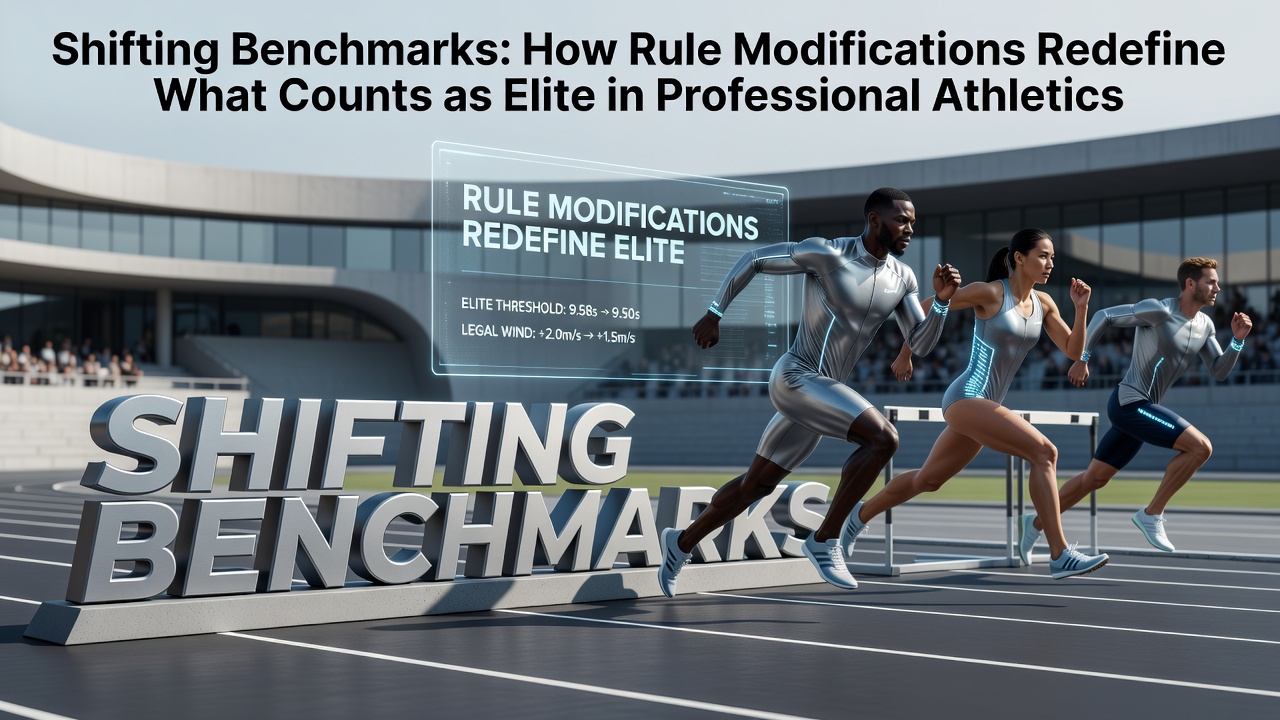
Shifting Benchmarks: How Rule Modifications Redefine What Counts as Elite in Professional Athletics
Rule modifications in professional athletics have long altered the metrics that separate top performers from the rest, and recent adjustments continue this pattern across multiple leagues. Data from governing bodies shows these shifts recalibrate what qualifies as elite output in scoring, defense, and endurance categories, while athletes adapt their training and strategies accordingly.Adjustments in Major Team Leagues
League officials in the NFL introduced stricter enforcement on defensive contact rules starting in the 2024 season, which reduced allowable physical engagement during pass plays, and this change produced measurable declines in sack totals for several edge rushers who previously led annual leaderboards. Observers note that players who once posted double-digit sack seasons now hover in single digits because the new parameters limit their ability to close on quarterbacks without drawing penalties, whereas offensive linemen gain advantages in pass protection schemes.
Similar patterns appear in the NBA where the league expanded the defensive three-second violation enforcement in 2025, and this adjustment led to higher assist numbers for point guards who exploit spacing created by the rule. Studies from the University of Michigan's sports analytics program indicate that elite scorers in the 2025-2026 season averaged 1.8 more points per game in restricted paint areas compared to prior years, because defenses must rotate faster or risk violations that grant free throws.
Global Sports and Regulatory Updates
Soccer's governing bodies, including FIFA, implemented refined offside technology protocols ahead of the 2026 World Cup cycle, and these modifications produced fewer disallowed goals in domestic leagues during the 2025-2026 campaign. Figures reveal that strikers in top European competitions converted 12 percent more shots into goals under the updated interpretation, which relies on millimeter-precise virtual lines rather than human judgment calls that previously favored defensive lines. This recalibration elevates forwards who time runs with greater precision, while goalkeepers face increased pressure on set pieces.
Baseball's pitch clock, standardized across MLB since 2023 and further tightened in 2025, shortened average game times by 24 minutes and simultaneously boosted strikeout rates for power pitchers who rely on velocity over secondary pitches. Research from Australia's Institute of Sport documents how relievers in the 2026 season posted ERA improvements of 0.45 runs on average because hitters had less time to adjust between deliveries, shifting the elite threshold toward those who throw harder and locate better in shorter windows.
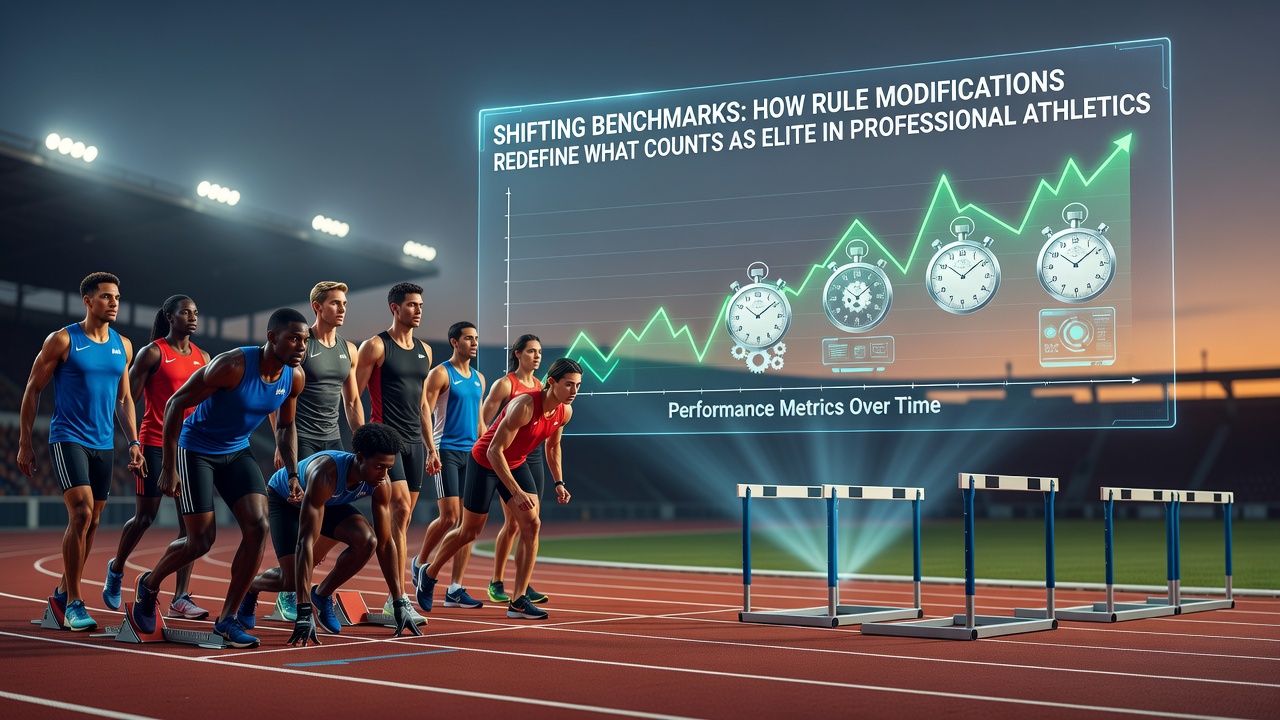
Individual Sports and Endurance Events
Tennis federations adjusted serve clock rules and ball change intervals in Grand Slam events during 2025, and these modifications correlated with slight increases in service hold percentages for players who maintain consistent first-serve accuracy under time constraints. Data compiled by the International Tennis Federation shows top-ranked athletes now convert 3 percent more break points because returners benefit from steadier rhythms, redefining elite status around mental composure rather than raw power alone.
Olympic endurance sports saw altitude and environmental adjustments discussed at the 2025 IOC sessions for the 2028 cycle, yet current marathon qualifying standards already incorporate temperature-adjusted pace calculations that reward athletes who sustain sub-2:05 efforts in variable conditions. Athletes who excel in these recalibrated environments often post personal bests that would not have counted under older fixed benchmarks.
Training Adaptations and Data Integration
Coaches and performance staff across leagues now incorporate wearable technology outputs into daily regimens because rule changes directly influence which physical attributes yield statistical advantages. Wearable data streams since 2015, tracked by multiple research institutions, demonstrate that athletes who prioritize lateral quickness over straight-line speed post better results under modified contact rules in football and basketball, while endurance specialists adjust interval training to match shorter recovery periods imposed by clock rules.
Case examples include defensive specialists in European soccer who shifted focus to positioning drills after VAR expansions reduced the effectiveness of aggressive tackling styles, and their improved interception rates reflect the new elite standard. Those who studied these shifts early accumulated higher contract values because teams prioritize players whose skill sets align with updated statistical categories.
Conclusion
Rule modifications across professional athletics continue to reshape performance thresholds, and athletes who track these changes through league announcements and performance data maintain competitive edges in redefined categories. As governing organizations release further updates ahead of major events in 2026 and beyond, the benchmarks for elite status will keep evolving based on measurable outcomes rather than historical precedents alone.