Positionless Play Revolution: How Fluid Roles Are Redefining Traditional Statistical Categories in Basketball, Soccer, and Football Lineups
Erik Koch · Jun 10, 2026
Positionless Play Revolution: How Fluid Roles Are Redefining Traditional Statistical Categories in Basketball, Soccer, and Football Lineups
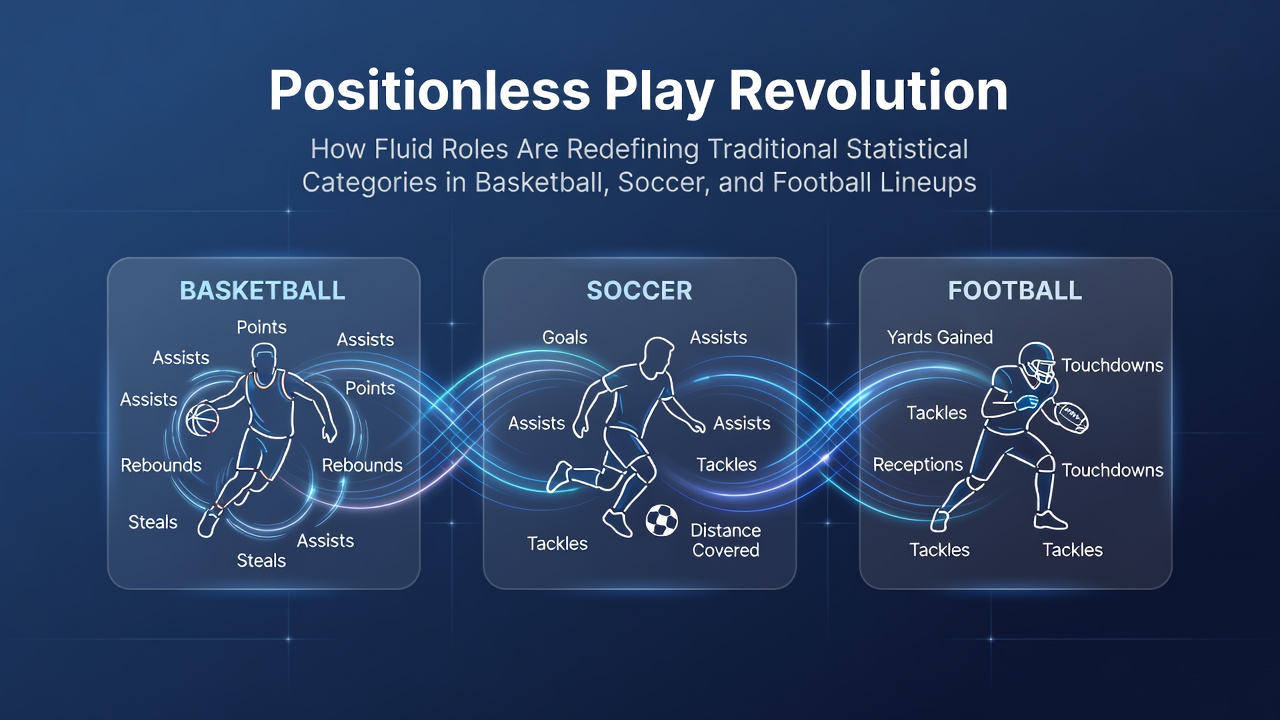
Positionless basketball has gained traction across NBA lineups since the mid-2010s, yet its effects on statistical tracking reached new levels during the 2025-2026 season. Teams deploy players who switch between guard and forward responsibilities within single possessions, which blurs categories such as points per game, assists, and rebounds that once aligned strictly with traditional positions. Data from the league shows an increase in players recording at least 15 points, 5 assists, and 5 rebounds per game, a threshold crossed by more than 40 athletes in the first half of the 2025-2026 campaign compared with 28 in 2018-2019. Researchers at the University of Michigan documented how these hybrid roles alter box-score interpretation, noting that versatile forwards now average higher assist rates than pure point guards did a decade earlier. Advanced tracking systems capture the frequency of off-ball screens and transition passes that once went uncredited, which has prompted statisticians to refine play-by-play logs accordingly. Soccer mirrors this shift through formations that prioritize fluidity over fixed positions. Inverted fullbacks and false nines appear regularly in top European leagues, where a defender might register more touches in the attacking third than some midfielders. Figures from the 2025-2026 Bundesliga season indicate that players classified as fullbacks contributed 22 percent of all progressive passes completed by their teams, up from 14 percent in 2019-2020.Basketball Lineups Adapt to Hybrid Skill Sets
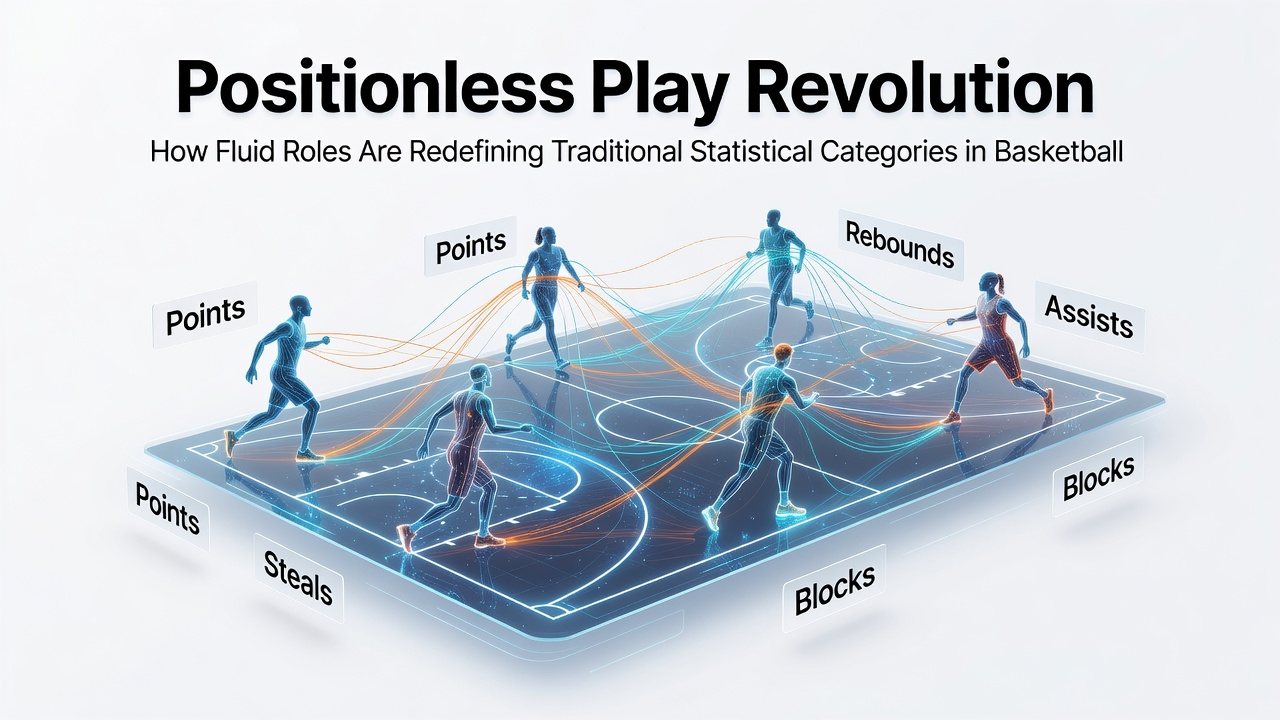
Coaches in the NBA have adjusted lineups to maximize spacing and switching, which directly influences rebounding and assist distributions. Centers who step out to the perimeter record fewer traditional rebounds inside the paint yet generate more outlet passes that count as assists. League-wide data reveals that the average center's assist rate rose 18 percent between the 2020-2021 and 2025-2026 seasons while their restricted-area rebound percentage declined by 12 percent. Teams such as the Denver Nuggets and Boston Celtics have fielded lineups where multiple players log minutes at both power forward and center, leading to shared credit on defensive rebounds that previously belonged to a single designated big. This redistribution shows up in individual stat sheets and forces analysts to consult tracking data rather than raw rebound totals when evaluating frontcourt impact.Soccer's Tactical Evolution Reshapes Attacking Metrics
 European clubs have integrated positional rotations that affect goal and assist tallies. A winger dropping into central midfield areas often records higher key-pass numbers while forwards who vacate the box create space that registers as secondary assists or progressive carries. According to Opta data compiled through the first nine months of the 2025-2026 campaign, forwards averaged 2.8 progressive carries per 90 minutes, a figure that has climbed steadily since the 2022 World Cup cycle. The approach carries into the 2026 FIFA World Cup, scheduled to begin in June across North American venues. National teams have prepared training regimens that emphasize multi-positional drills, which observers expect will further diversify statistical profiles among attackers and defenders alike. Midfielders who previously logged high tackle counts now split those actions with overlapping wingbacks, redistributing defensive metrics across more players on the pitch.