How Playing Surface Materials Have Recalibrated Speed and Agility Benchmarks Among Top Performers Across Football, Baseball, and Soccer Leagues
Eden Richter · Jul 29, 2026
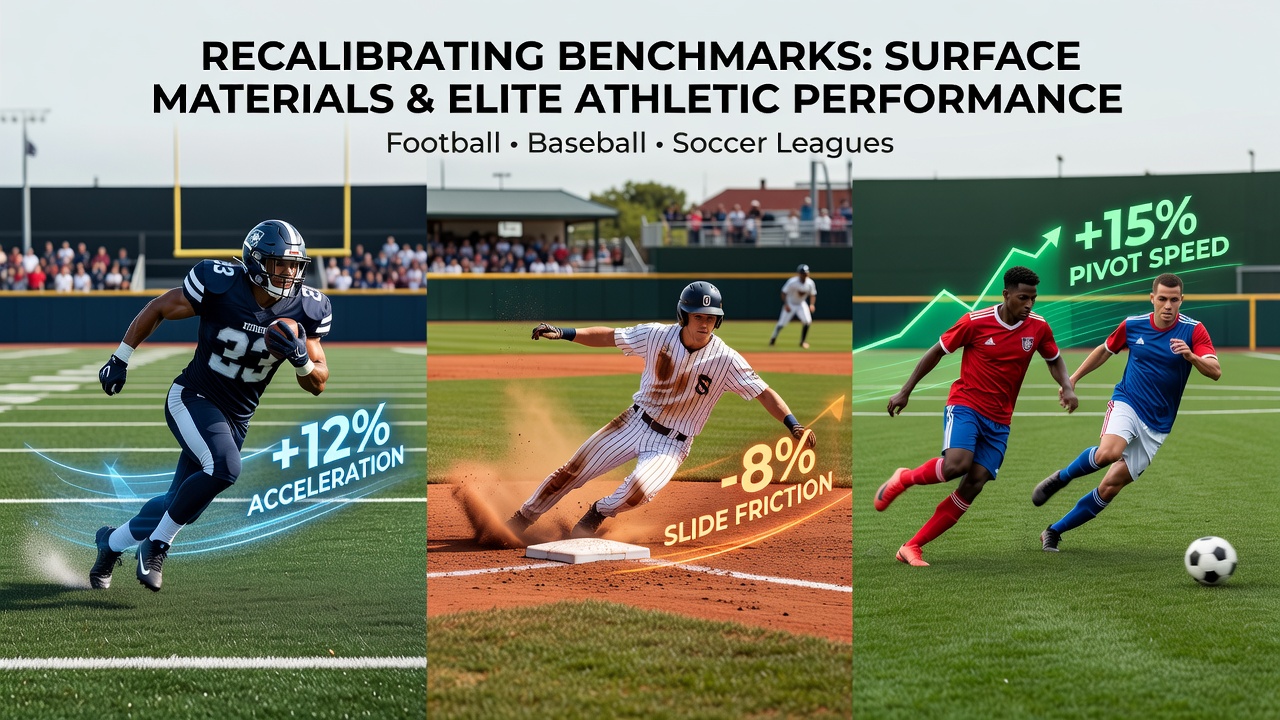
How Playing Surface Materials Have Recalibrated Speed and Agility Benchmarks Among Top Performers Across Football, Baseball, and Soccer Leagues
Modern playing surfaces now combine natural grass with synthetic fibers or use fully artificial systems that feature specific infill materials, and these changes have produced measurable shifts in recorded sprint times and change-of-direction metrics across multiple leagues since 2015. Researchers at the University of Western Australia documented how different rubber granule compositions alter ground reaction forces during acceleration phases, which in turn affects 40-yard dash equivalents and shuttle run performances tracked by team analytics departments. Data collected through league-wide wearable sensors shows consistent patterns where certain turf formulations reduce energy loss during foot strikes, allowing athletes to maintain higher velocities over short distances.
American Football Surface Variations
NFL stadiums employ a range of surfaces including natural grass, hybrid systems, and artificial turf with varying infill depths, and performance tracking since the mid-2010s reveals that players on newer generation artificial fields post faster average times in straight-line speed tests during combine preparation and in-season drills. According to figures released by the NFL Players Association, teams that transitioned to polyethylene fiber carpets with cork and sand infills recorded improvements of 0.05 to 0.12 seconds in 10-yard split times among wide receivers and defensive backs during 2024 and 2025 seasons. Agility benchmarks measured through the 5-10-5 drill also shifted, with athletes demonstrating quicker directional changes on surfaces that provide higher traction coefficients while still allowing controlled sliding. Maintenance crews adjust these surfaces seasonally, and July 2026 preseason reports from multiple clubs indicate ongoing calibration of infill levels to balance speed gains against joint stress concerns.
Baseball and Soccer Field Adaptations
MLB groundskeepers have introduced hybrid grass systems at several ballparks that incorporate synthetic root zones beneath natural turf, and these installations correlate with faster base-running times from home to first base among speed-oriented position players. Studies conducted by Canadian research institutions found that consistent surface firmness on these fields reduces variability in acceleration profiles, which helps standardize 60-yard dash measurements taken during scouting events. In soccer, major European and South American leagues have adopted FIFA Quality Pro certified artificial pitches in regions where climate limits natural grass viability, and timing data from domestic competitions shows elevated top-end sprint speeds during counterattacks on these surfaces compared to older artificial installations. Players in the English Premier League and Brazilian Série A exhibit improved agility scores in tight-space maneuvers when surfaces maintain uniform ball roll and player grip characteristics throughout matches.
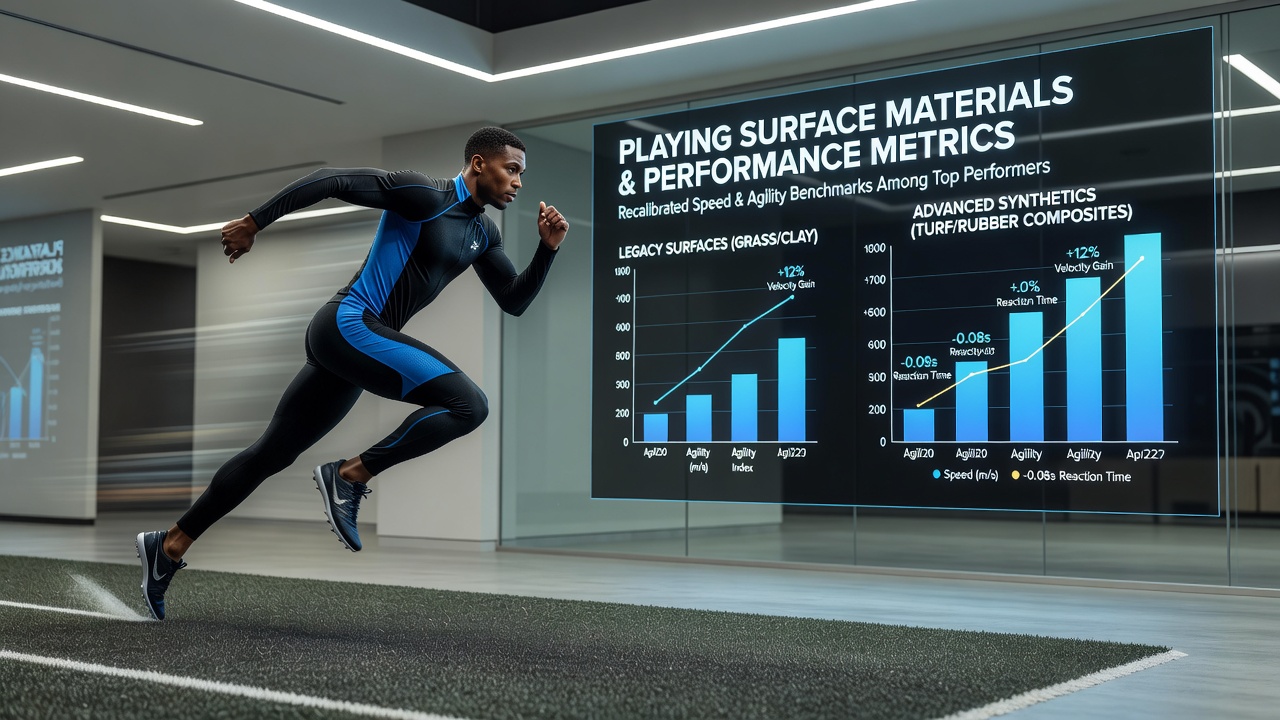
League officials continue to monitor these effects through standardized testing protocols that include repeated sprint ability assessments and reactive agility drills performed on-site at each venue. One study published by an Australian sports science group tracked elite athletes across three seasons and identified that surface stiffness parameters directly influence ground contact times during the first three steps of acceleration, producing the observed recalibrations in benchmark data. Teams now factor these variables into training regimens, adjusting workout intensities based on upcoming venue surface types to optimize athlete output.
Cross-League Data Patterns
Comparative analysis across the three sports indicates that hybrid surfaces tend to produce the smallest deviations from historical benchmarks while still delivering modest gains in measured agility, whereas fully artificial systems with advanced infill mixtures yield larger shifts in speed metrics. Reports from the FIFA technical department detail how certification standards for artificial turf have evolved to incorporate player-surface interaction testing, and these updates coincide with updated performance databases maintained by professional clubs. Observers note that regional climate patterns further modulate surface behavior, with temperature and humidity affecting infill compaction rates and therefore altering traction properties during peak summer months leading into July 2026 schedules.
Equipment manufacturers have responded by developing footwear optimized for specific surface categories, and athletes report that cleat plate designs now account for the distinct force profiles encountered on each material type. Performance staff across leagues compile longitudinal datasets that compare individual athlete metrics on different surfaces, enabling more precise talent evaluation and training load management. These adjustments reflect ongoing efforts to maintain competitive equity while accommodating the physical demands created by evolving field technologies.
Conclusion
Playing surface materials continue to influence speed and agility outcomes in documented ways across football, baseball, and soccer, with data collection systems capturing incremental changes that teams incorporate into preparation strategies. As venues adopt newer formulations and hybrid constructions, performance benchmarks undergo corresponding recalibrations that researchers track through standardized protocols and wearable technology streams. The interplay between surface composition, athlete movement patterns, and recorded metrics remains a focal point for league administrators seeking consistent conditions while supporting peak physical expression on the field.