How Biometric Feedback Loops from Training Camps Quietly Rewrite Seasonal Leaderboards in Baseball, Soccer, and Basketball
Cameron Otto · Jul 31, 2026
How Biometric Feedback Loops from Training Camps Quietly Rewrite Seasonal Leaderboards in Baseball, Soccer, and Basketball
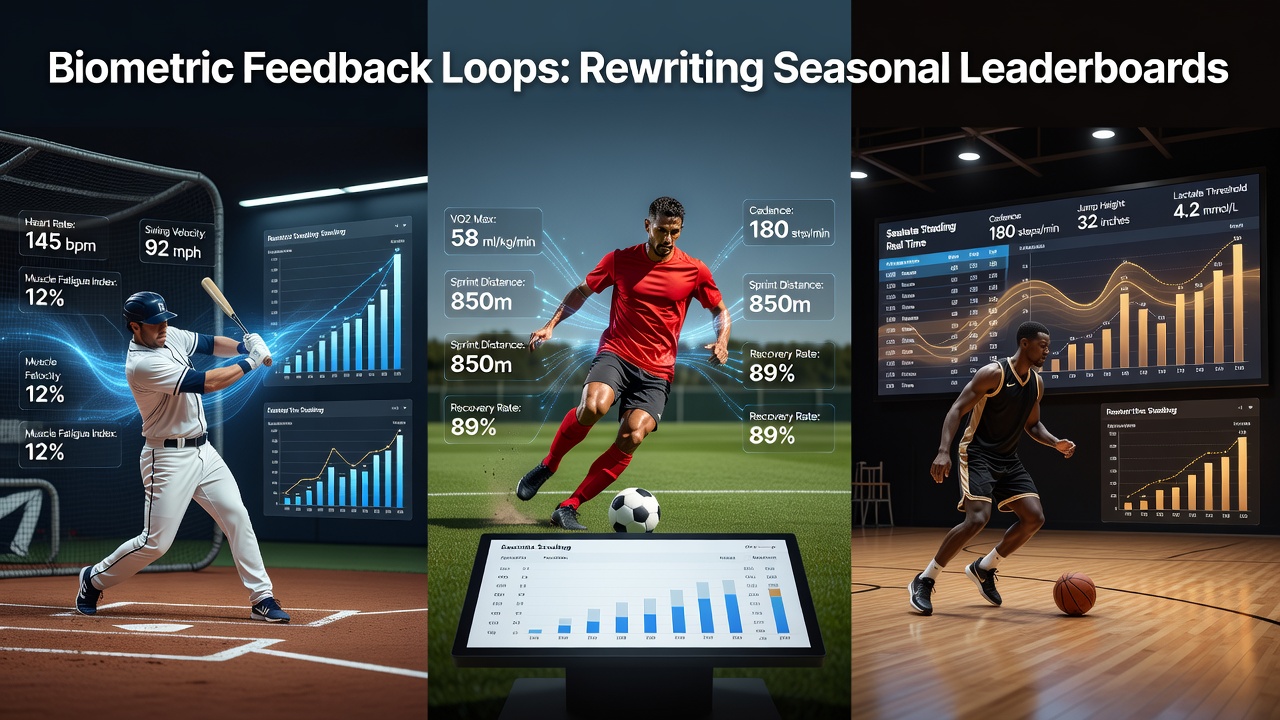
Biometric feedback systems have become standard equipment in professional training camps across baseball, soccer, and basketball, and the data streams they generate directly influence player preparation cycles that feed into seasonal statistical outcomes. Teams deploy heart rate variability monitors, GPS trackers, and muscle oxygen sensors to capture real-time physiological metrics, then adjust daily workloads before fatigue accumulates into measurable performance drops during games.
Core Mechanisms in Training Camp Settings
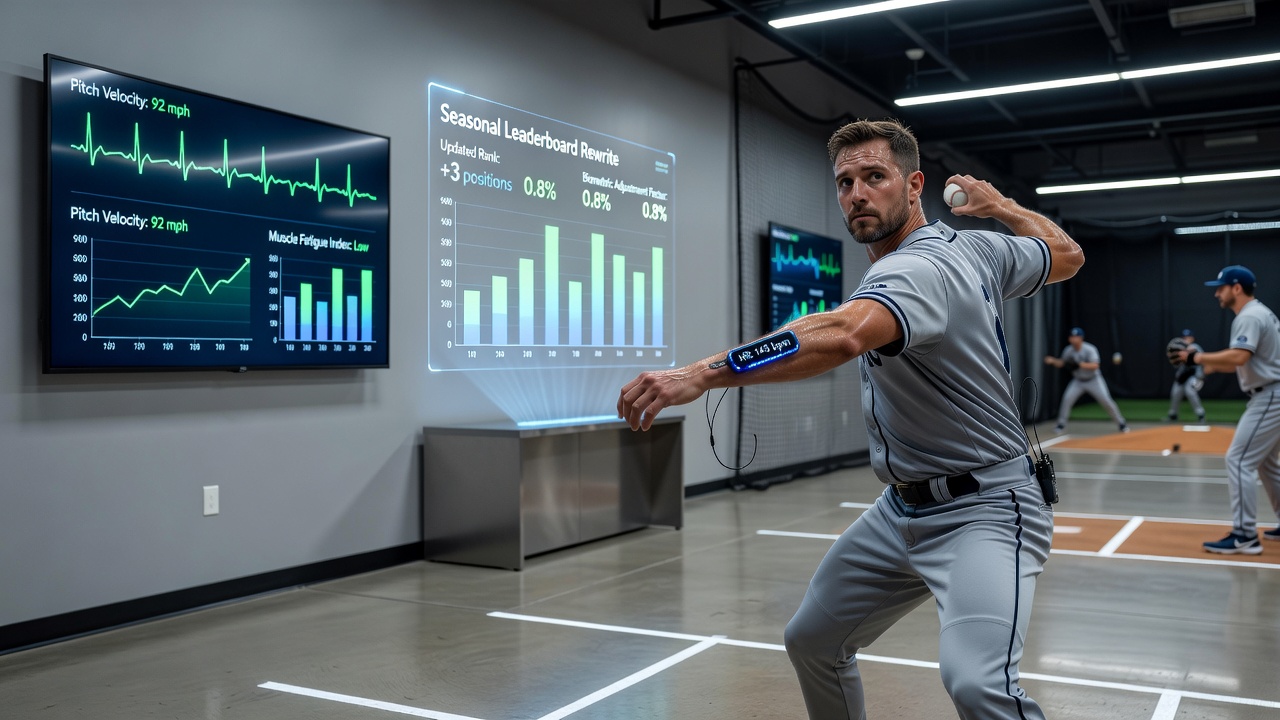
Training camps run structured testing blocks where athletes wear integrated sensor arrays that transmit data to central platforms every few seconds, and coaching staffs use those inputs to modify sprint volumes, recovery intervals, and strength sessions on the same day. In baseball facilities, pitchers receive immediate alerts when elbow torque readings exceed preset thresholds, which leads to shortened bullpen sessions and preserved velocity readings once the regular season begins. Soccer camps track total distance covered and high-intensity accelerations, allowing position-specific rotation schedules that maintain sprint frequency numbers through the opening months of league play.
Baseball Applications and Leaderboard Shifts
MLB organizations have integrated biometric dashboards since the mid-2010s, and camp data now guides pitch-count management protocols that correlate with lower ERA figures and higher strikeout totals for starters who follow the adjusted plans. Catchers wearing load sensors show reduced pop-time degradation in late innings, and teams that act on these readings post improved caught-stealing percentages that appear on end-of-season defensive leaderboards. Hitters receive sleep and recovery scores that prompt rest days, preserving exit velocity averages that separate top-ten qualifiers from the rest of the pack by August.
Soccer Workload Calibration
European and MLS clubs run pre-season biometric protocols that measure creatine kinase levels and neuromuscular fatigue, then scale training intensity to keep players below injury-risk thresholds. Midfielders who follow these calibrated loads maintain higher pass-completion rates and key-pass counts through congested fixture periods, while forwards preserve top-end sprint speeds that translate into goal tallies tracked on official league tables. July 2026 pre-season camps for several leagues already incorporated updated algorithms that factor in travel-related sleep disruption, and early reports indicate measurable differences in player availability metrics compared with prior cycles.
Basketball Recovery and Efficiency Metrics
NBA and international basketball programs monitor player-load indexes derived from accelerometers and heart-rate data throughout summer camps and pre-season, then set minute restrictions that protect shooting percentages and defensive-rebound rates over an 82-game schedule. Guards who stay within individualized load windows show sustained three-point accuracy that places them among seasonal leaders, and frontcourt players maintain block and steal totals when rest protocols derived from biometric trends are followed. League-wide tracking since 2015 reveals that teams with advanced recovery systems post higher net rating differentials in the second half of seasons.
Cross-Sport Data Patterns
Comparative studies conducted by research groups at institutions such as the Australian Institute of Sport have documented how consistent biometric-guided adjustments produce narrower performance variance across rosters, and those narrower variances concentrate statistical production among players who remain available for the largest number of games. Baseball, soccer, and basketball all exhibit the same pattern where early-camp interventions reduce the typical mid-season drop-off in key rate statistics, thereby reshaping teh upper tiers of published leaderboards without any change to on-field rules.
Implementation Timeline and League Adoption
By July 2026 most major leagues had standardized data-sharing agreements between camp medical staffs and performance analysts, allowing seamless transfer of individual profiles into in-season monitoring platforms. The result appears in cumulative statistics that reward players whose training loads were optimized months earlier, and those cumulative figures determine final rankings in categories such as wins above replacement, expected goals, and player efficiency rating.
Conclusion
Biometric feedback loops originating in training camps now function as upstream determinants of seasonal statistical outcomes in baseball, soccer, and basketball. The objective data generated during those camps shapes workload decisions that preserve or enhance the measurable outputs tracked on official leaderboards, and continued refinement of these systems continues to tighten the relationship between camp preparation and regular-season production across all three sports.