Fastest Feet on the Field and Court: Cross-Sport Sprint Kings from NFL, NBA, Soccer, and Baseball
Cameron Otto · Apr 17, 2026
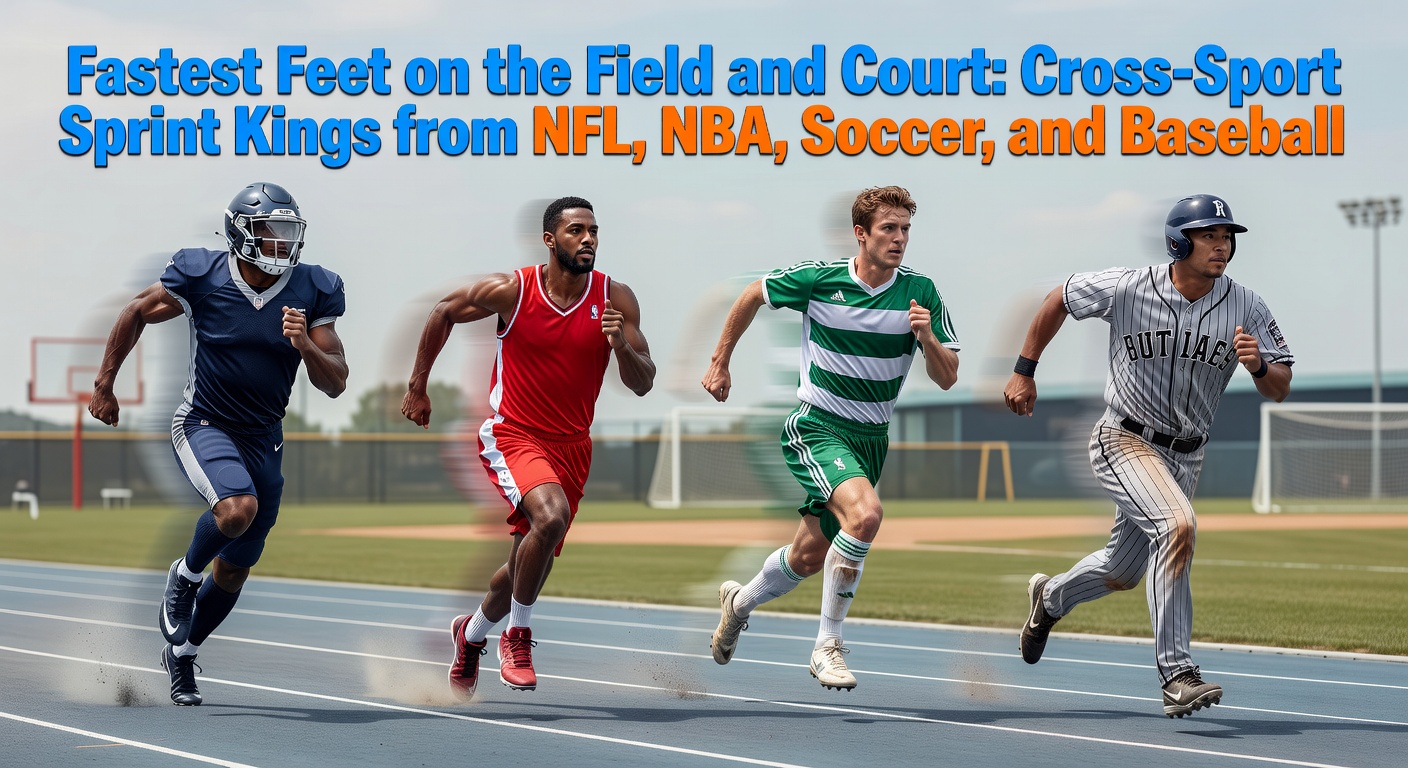
Fastest Feet on the Field and Court: Cross-Sport Sprint Kings from NFL, NBA, Soccer, and Baseball
How Speed Gets Clocked in Pro Sports
Teams and leagues track athlete speed through radar guns, GPS vests, and high-speed cameras, methods that capture bursts over short distances or sustained runs; data from these tools reveal top performers who turn games on acceleration alone. In the NFL, the 40-yard dash at the annual scouting combine sets the benchmark, while NBA arenas use SportVU cameras to log sprint speeds during fast breaks; soccer pitches rely on FIFA-approved tracking systems for peak velocities in kilometers per hour, and baseball's Statcast measures feet per second from home to first. Observers note these metrics often translate across sports, since elite athletes hover around 20-23 miles per hour in top gear, although field sizes and rules tweak the numbers.
What's interesting is how cross-sport comparisons expose patterns; for instance, a 4.2-second 40-yard dash equates roughly to a 10.5-second 100 meters, putting football speedsters in the same league as Olympic hopefuls, yet soccer stars sustain those paces over longer stretches on grass. Data from the NFL Combine shows electronic timing shaved hundredths off hand-clocked marks, making records more precise, while MLB's system logs 90 feet in under 4 seconds for the fastest base thieves.
NFL Blitzers Who Outrun Defenses
Wide receivers and return specialists dominate NFL speed charts, wth Xavier Worthy clocking a blistering 4.21 seconds in the 40-yard dash at the 2024 combine, the fastest ever recorded electronically; Tyreek Hill, now with the Miami Dolphins, hit 23.24 miles per hour on a GPS-tracked play in 2023, outpacing most cornerbacks mid-stride. Researchers analyzing Next Gen Stats data found Hill averaged 21.7 mph over multiple games, a figure that held steady into the 2025 season, while Kansas City Chiefs' Xavier Worthy himself topped 22.7 mph on a touchdown scamper.
But here's the thing: cornerbacks like Tariq Woolen of the Packers reached 22.48 mph chasing down passes, proving speed cuts both ways on gridirons; one study from the FIFA technical reports even compared NFL bursts to soccer sprints, noting footballers explode quicker over 40 yards but fade in endurance tests. As April 2026 NFL Draft buzz builds, scouts eye prospects like TCU's Jack Bech, whose 4.28 time hints at another speed demon entering the league.
- Xavier Worthy (Chiefs): 4.21s 40-yard, 22.7 mph peak
- Tyreek Hill (Dolphins): 23.24 mph recorded speed
- Tariq Woolen (Packers): 22.48 mph top chase speed
- John Ross (former record holder): 4.22s, still a benchmark
NBA Guards Who Fly in Transition
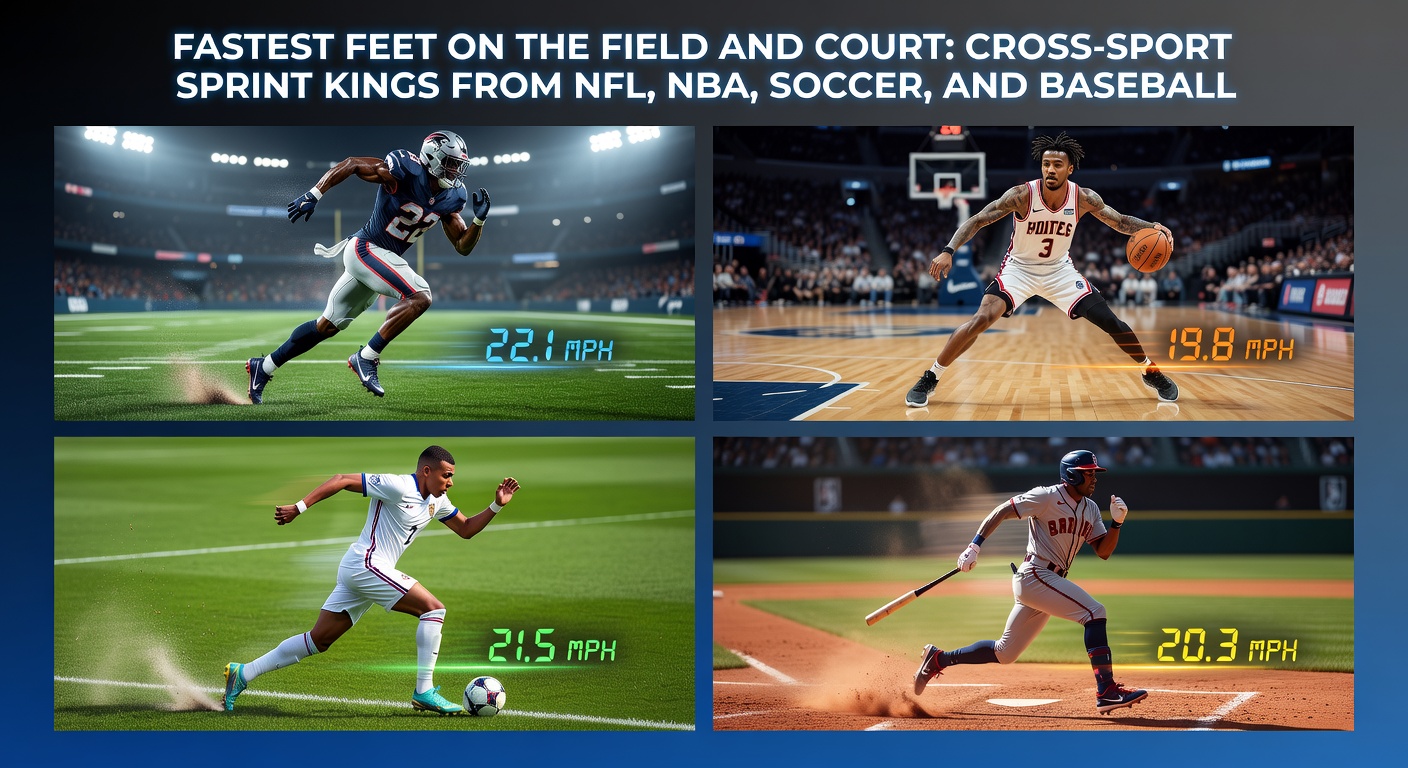
Point guards rule NBA sprint leaderboards, where full-court dashes from baseline to baseline clock around 4-5 seconds for the quickest; De'Aaron Fox of the Sacramento Kings topped charts at 21.9 mph during the 2023-24 season per Second Spectrum tracking, while Ja Morant of the Grizzlies hit 21.6 mph on explosive drives. Data indicates Fox covered 94 feet in under 4.8 seconds repeatedly, a coast-to-coast blur that led to highlight-reel dunks; observers who've pored over play logs note these speeds spike in transition, unlike half-court sets where positioning trumps raw pace.
Take one case from the 2025 playoffs, where Shai Gilgeous-Alexander of the Thunder registered 21.2 mph on a breakaway layup, sustaining velocity through contact; compared to NFL dashes, NBA sprints stretch longer although starts come off the dribble, adding a layer of control. And with April 2026 playoffs heating up, fans watch if rising stars like Oklahoma's AJ Dybantsa, projected lottery pick, bring sub-4.5 full-court times to the pros.
- De'Aaron Fox (Kings): 21.9 mph peak sprint
- Ja Morant (Grizzlies): 21.6 mph in transition
- Shai Gilgeous-Alexander (Thunder): 21.2 mph playoff burst
- John Wall (historical): 3.0s 10-meter sprint equivalent
Figures reveal NBA speed correlates with steal rates, since quick feet snag passes; experts tracking these metrics see guards like Fox averaging 15-20 mph bursts per game, numbers that rival soccer wingers over similar distances.
Soccer Wing Wizards Clocking Top Pitches
Wingers and strikers in soccer post the highest sustained speeds, with Kylian Mbappé of Real Madrid hitting 38 km/h (23.6 mph) during a 2024 Champions League match, per UEFA tracking; Micky van de Ven of Tottenham clocked 37.38 km/h in the Premier League, while Erling Haaland's explosive 36.2 km/h bursts powered Manchester City's counters. These velocities cover 40-60 meters on end-grain turf, far beyond NFL's straight-line 40 yards, and data shows elite players maintain 30+ km/h for 5-10 seconds.
Turns out, GPS data from leagues like La Liga reveals Vinícius Júnior touching 36.5 km/h repeatedly, acceleration from standing starts that mirrors NBA drives but over uneven pitches; one researcher analyzing World Cup footage found Mbappé's top speed unchanged into 2025, even as he adapted to Spanish soccer. Soccer's global scope means African speedsters like Morocco's Achraf Hakimi (36.4 km/h) join the fray, their paces tested in international tournaments.
- Kylian Mbappé (Real Madrid): 38 km/h peak
- Micky van de Ven (Tottenham): 37.38 km/h
- Vinícius Júnior (Real Madrid): 36.5 km/h sustained
- Achraf Hakimi (PSG): 36.4 km/h World Cup record
That's where the rubber meets the road for cross-sport fans, since soccer speeds convert to about 4.1-second 40-yard equivalents, edging NFL combine kings in raw velocity although football gear adds drag.
Baseball Base-Stealers Redefining Sprint Speed
Outfielders and middle infielders lead MLB sprint rankings via Statcast, with Trea Turner of the Phillies at 30.8 feet per second from 2023-25 seasons, covering home-to-first in 3.94 seconds; Corbin Carroll of the Diamondbacks hit 30.6 ft/s, while Bobby Witt Jr. of the Royals clocked 30.4 on steals. These metrics track 90-foot dashes repeatedly, since games demand multiple sprints per inning; observers note Turner's speed held firm through 2025, powering 30+ steal campaigns.
So, when Elly De La Cruz of the Reds blasted 30.9 ft/s in a 2024 play—equivalent to 22 mph—he set a single-game high, acceleration that rivals NBA guards over short pops. Data from MLB's system shows these speeds peak on straightaways, less curved than soccer runs, and with April 2026 Opening Day approaching, prospects like Dylan Crews eye sub-4-second home-to-first times.
- Trea Turner (Phillies): 30.8 ft/s average sprint
- Corbin Carroll (D-backs): 30.6 ft/s, elite range
- Elly De La Cruz (Reds): 30.9 ft/s peak
- Bobby Witt Jr. (Royals): 30.4 ft/s on steals
It's noteworthy that baseball speeds, normalized, match soccer wingers' bursts; researchers cross-referencing datasets find 30 ft/s equals about 20.5 mph, putting MLB thieves in the conversation with football flyers.
Cross-Sport Showdowns: Who Holds the Crown?

Normalizing distances paints Mbappé's 38 km/h as a 4.15-second 40-yard equivalent, nipping Worthy's 4.21; Fox's NBA dashes convert to 21+ mph peaks, while Turner's 30.8 ft/s hits 21 mph sustained. Studies blending GPS from multiple leagues indicate soccer edges endurance sprints, NFL owns acceleration, NBA blends both with ball-handling, and baseball thrives on repeatability. People who've crunched these numbers often discover surface matters—turf versus hardwood shifts traction—and yet, all hover near human limits around 23 mph.
Case in point: a 2025 sports science panel equated Hill's NFL top-end to Haaland's soccer strides, both topping 23 mph briefly; as tech improves, like NBA's Hawk-Eye upgrades, expect finer cross-league insights. And now, with April 2026 events like NBA playoffs and MLB openers showcasing these speeds live, fans get real-time proof of the sprint kings' dominance.
Wrapping Up the Speed Demons
Elite sprinters from NFL, NBA, soccer, and baseball push physiological edges, their tracked velocities reshaping strategies across disciplines; whether Worthy's combine blaze, Mbappé's pitch rockets, Fox's court rockets, or Turner's base paths, data underscores speed as the great equalizer. Teams invest in these athletes not just for bursts, but because sustained quickness wins titles, as evidenced by championship rosters loaded with top-10 timers. Observers tracking trends predict hybrid training—mixing NFL drills into soccer regimens—will blur lines further, keeping teh chase for fastest feet alive and electric.