Exploring Biomechanical Feedback Loops and Their Recalibration of Performance Thresholds Among Athletes Shifting Between Power and Endurance Roles in Global Team Competitions
Cameron Otto · Jun 28, 2026
Exploring Biomechanical Feedback Loops and Their Recalibration of Performance Thresholds Among Athletes Shifting Between Power and Endurance Roles in Global Team Competitions
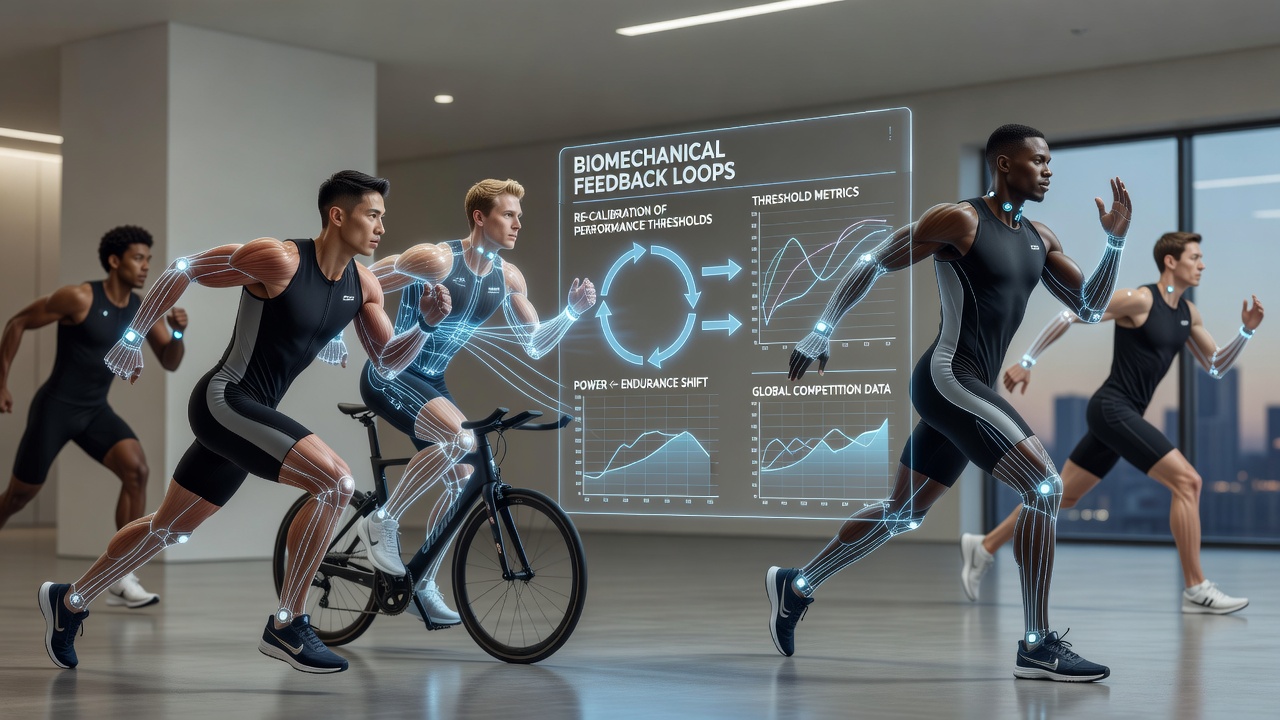
Athletes in global team competitions frequently move between power-dominant actions like explosive sprints and jumps and endurance-focused demands such as prolonged positioning and recovery runs, and biomechanical feedback loops play a central role in how their bodies adjust performance thresholds during these transitions. These loops involve continuous signals from muscles, joints, and the nervous system that monitor load, fatigue, and movement efficiency while prompting adaptations in real time. Research from institutions like the Australian Institute of Sport shows that such feedback mechanisms recalibrate thresholds for force production and energy utilization when athletes switch roles within the same match or across a season.
Power roles emphasize rapid force generation through fast-twitch muscle fibers and anaerobic pathways, whereas endurance roles rely on slow-twitch fibers and aerobic metabolism for sustained output. When athletes shift between these demands, proprioceptive feedback from tendons and ligaments signals the need for adjustments in stride length, joint angles, and muscle recruitment patterns. Studies tracking elite soccer players during international tournaments indicate that these recalibrations often occur within minutes of a positional change, allowing athletes to maintain output without immediate breakdown in efficiency.
Mechanisms of Feedback Loop Recalibration
Biomechanical feedback operates through sensorimotor pathways that detect changes in ground reaction forces and muscle tension, then relay data to the central nervous system for immediate corrections. In team settings like basketball or rugby, an athlete moving from a defensive power stance to an endurance covering role experiences shifts in center of mass and stride frequency that trigger hormonal and neural responses. Data collected via wearable sensors across multiple leagues reveals that heart rate variability and lactate thresholds adjust dynamically, often within 10 to 15 minutes of role transition, based on measurements taken during competitive fixtures.
Recalibration also involves connective tissue remodeling, where collagen alignment in tendons adapts to repeated loading patterns. Observers note that athletes who frequently alternate roles show enhanced stiffness regulation in the Achilles and patellar tendons, which helps prevent overload while supporting both explosive and sustained efforts. Longitudinal tracking in European football academies has documented these changes through ultrasound imaging, highlighting how feedback loops prevent performance plateaus by continuously updating motor unit firing rates.
Role Transitions in Major Team Sports
Global competitions such as the Olympics and World Cups feature athletes who embody hybrid demands, and feedback loops become particularly evident when players change positions mid-game. In soccer, midfielders often alternate between powerful tackles and long-distance coverage, with biomechanical data indicating recalibrated oxygen uptake rates that optimize both anaerobic bursts and aerobic recovery. Similar patterns appear in basketball, where guards shift from driving to the basket in power sequences to perimeter defense that requires endurance pacing.
Analyses of performance metrics from the 2024-2025 seasons onward demonstrate that athletes with prior experience in multiple roles exhibit faster recalibration times, measured through reduced ground contact times during power phases and improved running economy in endurance segments. These adjustments support higher overall workloads without corresponding increases in injury markers tracked by league medical teams.
Technological Monitoring and Data Integration
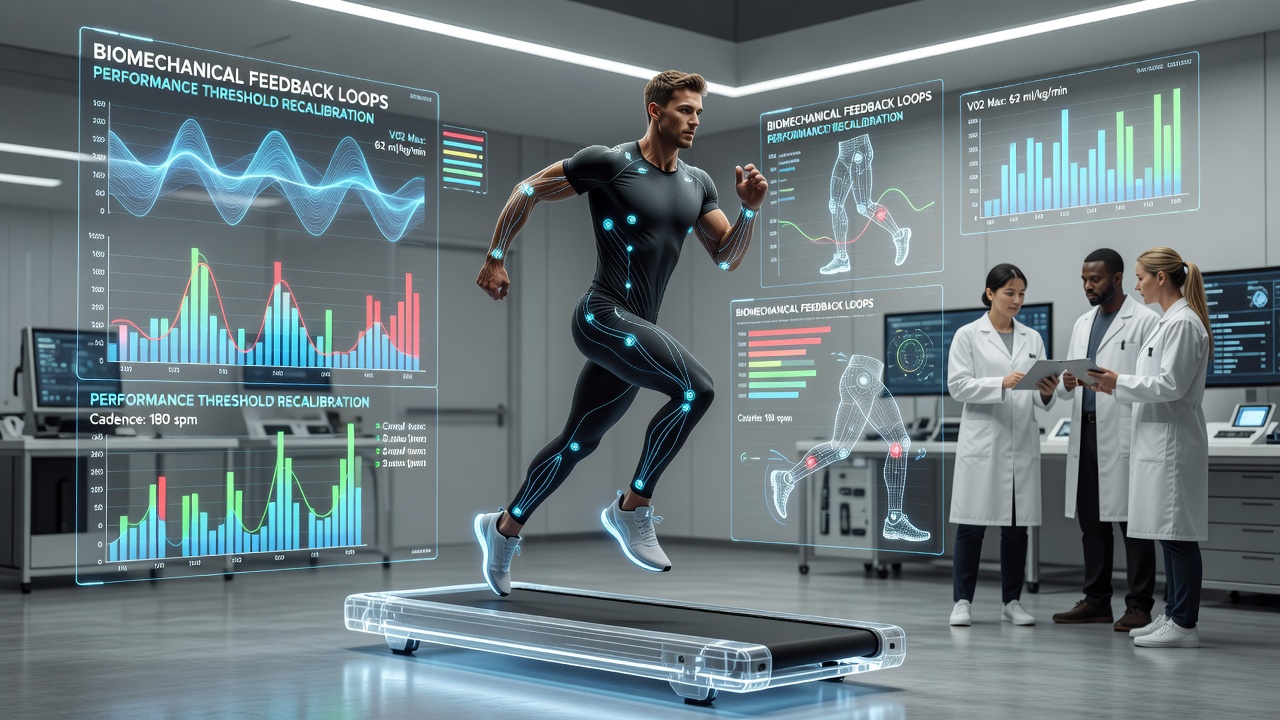
Wearable technologies integrated into training regimens since 2015 have provided granular insights into these feedback processes across NFL, NBA, soccer, and MLB environments. Accelerometers and electromyography devices capture real-time muscle activation data that teams use to map how thresholds evolve during role shifts. Reports from Canadian sport science centers show that such monitoring allows coaches to predict when an athlete's power output begins to decline in favor of endurance efficiency, enabling targeted interventions like altered substitution patterns.
As of June 2026, ongoing data streams from major tournaments continue to refine these models, with machine learning algorithms identifying patterns in joint torque and metabolic cost that were previously undetectable through traditional observation. This integration has led to standardized protocols for assessing recalibration speed among athletes entering new positional demands in team lineups.
Training Implications Across Regions
Training programs in regions including Australia, North America, and parts of Asia now incorporate drills designed to stimulate biomechanical feedback loops deliberately. Interval sessions that alternate power intervals with endurance blocks encourage the nervous system to recalibrate thresholds more efficiently, according to findings from university-affiliated research groups. Athletes who participate in these structured progressions display measurable improvements in transition times between roles, reflected in seasonal statistical outputs such as increased distance covered at high intensities alongside maintained peak velocities.
Case examples from professional leagues illustrate how consistent exposure to varied demands strengthens these loops, with players showing lower perceived exertion ratings during hybrid performances. Organizations monitor these developments through centralized databases that aggregate biomechanical metrics from diverse competitions, supporting evidence-based adjustments to preparation strategies.
Conclusion
Biomechanical feedback loops serve as adaptive systems that recalibrate performance thresholds when athletes in global team competitions move between power and endurance responsibilities. Data from sensor technologies and longitudinal studies confirm that these mechanisms operate through neural, muscular, and connective tissue pathways to maintain output across shifting demands. Continued integration of monitoring tools supports refined approaches to role transitions in competitive environments.