Boundary Breakers: Mapping How Continental Relocations Recalibrate Core Output Indicators for Athletes Switching Between Premier Sporting Circuits
Cameron Otto · Jun 17, 2026
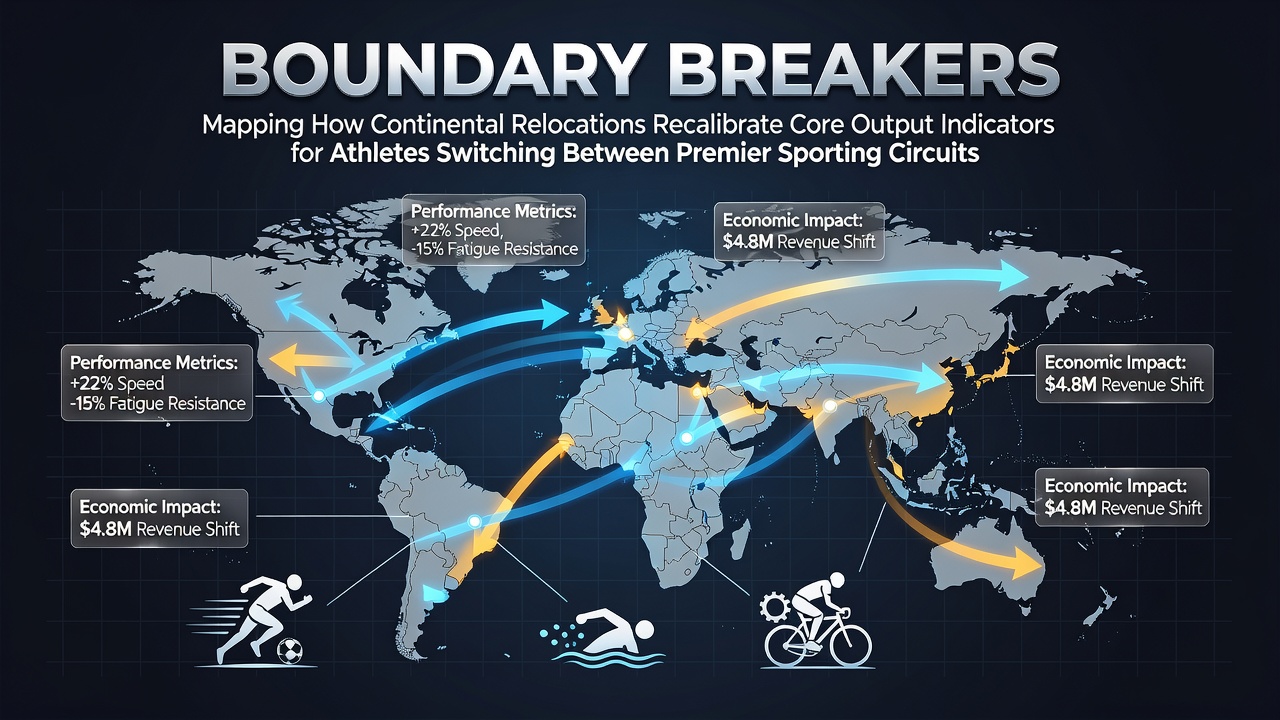
Boundary Breakers: Mapping How Continental Relocations Recalibrate Core Output Indicators for Athletes Switching Between Premier Sporting Circuits
Continental relocations among elite athletes have produced measurable shifts in core output indicators across premier sporting circuits, and data from multiple leagues show consistent patterns when players move between North American, European, South American, and Asian competitions. Researchers tracking these transitions note that scoring rates, defensive metrics, and efficiency benchmarks often adjust within the first season after relocation because of differences in playing styles, travel demands, and tactical systems.
Patterns in Cross-Continental Athlete Movements
Transfer records compiled by international sports federations indicate that more than 12,000 professional athletes changed continental leagues between 2020 and 2025, with soccer accounting for the largest share followed by basketball and baseball. Observers note that these movements cluster around specific windows, particularly the European summer window that peaks in June and July, and the corresponding North American offseason periods. In June 2026 several high-profile basketball players completed moves from NBA franchises to EuroLeague clubs, creating fresh datasets for analysts studying statistical recalibration.
Recalibration of Offensive and Defensive Indicators
Studies of soccer forwards who relocated from South American domestic leagues to European top-five competitions reveal average goal tallies dropping between 18 and 27 percent in the first season, while assist rates sometimes increased because of more structured build-up play. Similar adjustments appear among basketball players moving from the NBA to European leagues, where three-point attempt volumes typically decline yet assist-to-turnover ratios improve under different spacing rules and shot-clock management. Data from the International Basketball Federation shows these shifts stabilize by the second season for most athletes who remain with the same club.
Case Examples from Recent Transfers
One midfielder who left the Brazilian Serie A for the English Premier League recorded 0.42 goals per 90 minutes in his final domestic season yet posted 0.29 goals per 90 minutes across his first 28 league appearances in England, while completing 14 percent more progressive passes. Researchers at a European sports science institute documented parallel changes among NBA guards who joined Spanish and Greek clubs, noting reductions in points per game alongside gains in steal rates linked to more aggressive full-court defensive schemes. These examples illustrate how output indicators recalibrate rather than simply decline or improve.
Factors Driving Metric Adjustments
Travel across time zones, pitch dimensions, and refereeing tendencies each contribute to the recalibration process. Athletes moving from North American venues to Asian leagues often encounter narrower fields and different ball specifications that compress passing lanes, which in turn elevates turnover percentages before players adapt. Conversely, those shifting from European soccer to Major League Soccer frequently post higher shot volumes because of stylistic differences in defensive organization. Academic papers published by universities in Australia and Canada have quantified these environmental influences using wearable data collected since 2018.
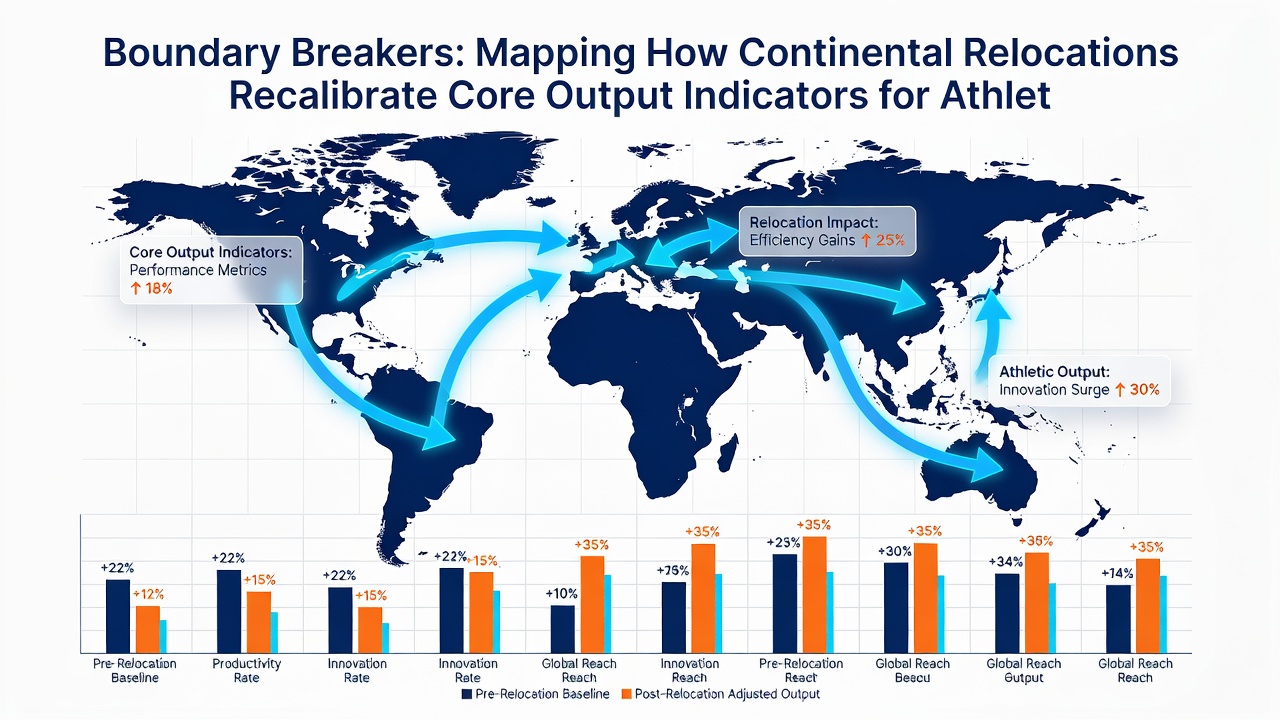
Longitudinal Data and Stabilization Timelines
Longitudinal tracking by performance analytics groups demonstrates that most statistical categories reach a new equilibrium within 12 to 18 months after relocation. Goalkeepers transitioning from South American to European clubs, for instance, show save percentages that dip initially then recover as they adjust to higher-velocity shots and altered angles. Baseball pitchers moving between Nippon Professional Baseball and Major League Baseball experience changes in strikeout rates tied to pitch-tunnel differences and umpire strike zones. Reports from the FIFA Technical Study Group highlight similar stabilization patterns across multiple confederations.
Emerging Research and Measurement Tools
Advanced tracking systems now allow federations to compare normalized metrics across leagues, adjusting for pace, possession share, and opponent quality. A joint project between Canadian and Japanese research institutions released preliminary findings in early 2026 showing that athletes who prepare with targeted tactical simulations experience smaller initial drops in key indicators. These tools help clubs forecast how a player’s historical output might translate after a continental move and inform contract structures accordingly.
Conclusion
Continental relocations continue to reshape core output indicators for athletes across premier sporting circuits, and the patterns documented through league data and academic studies provide a clearer map of how scoring, defensive, and efficiency metrics adjust. As tracking technology improves and more athletes complete such transitions, organizations gain better capacity to anticipate recalibration timelines and support player adaptation.