Biomechanical Transfer Effects: How Specialized Movement Patterns Recalibrate Efficiency Across Athletic Domains
Erik Koch · Jun 24, 2026
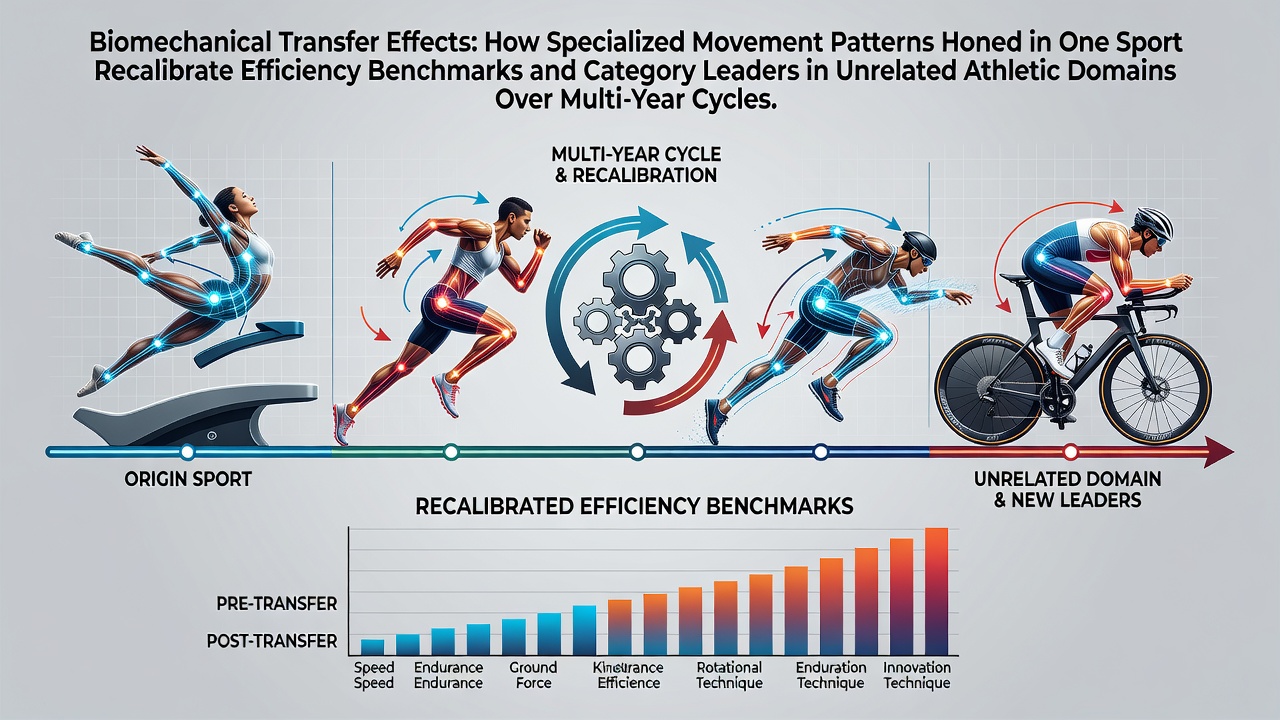
Biomechanical Transfer Effects: How Specialized Movement Patterns Recalibrate Efficiency Across Athletic Domains
Specialized movement patterns developed in one sport frequently influence performance metrics in entirely different athletic disciplines, with data from longitudinal tracking showing recalibrations in efficiency benchmarks over periods spanning five to ten years. Observers note that rotational torque refined through pitching mechanics in baseball has appeared in volleyball spiking sequences, where athletes record increased jump heights and ball velocities after incorporating similar hip-shoulder separation drills. These transfers emerge because neuromuscular adaptations prioritize force generation pathways that apply across contexts rather than remaining isolated to a single activity.
Core Mechanisms Driving Cross-Sport Recalibrations
Biomechanical analyses reveal that stride length optimizations from distance running often adjust acceleration profiles in soccer, where players who transition from track backgrounds demonstrate improved 10-meter sprint times within two seasons. Studies conducted by the Australian Sports Commission indicate that such adaptations occur through shared kinematic chains involving ankle dorsiflexion and knee extension timing, which reduce ground contact durations and elevate top-end speed outputs. Category leaders in unrelated events subsequently shift when these efficiencies compound across multiple training cycles, as recorded in league-wide datasets from 2018 onward.
Swimming stroke efficiencies centered on shoulder rotation and core stabilization have transferred to combat sports, where boxers and MMA athletes exhibit enhanced punch accuracy and reduced energy expenditure during extended rounds. Research published in the Journal of Applied Biomechanics documents how elite swimmers entering striking disciplines maintain lower heart rate responses at equivalent workloads, allowing sustained output that alters win percentages in later rounds of competition.
Multi-Year Performance Shifts in Professional Leagues
Over multi-year cycles, basketball players who previously competed in gymnastics display altered vertical leap mechanics that contribute to higher rebound percentages, with tracking data from NBA and EuroLeague seasons showing consistent gains after three to four years of combined training exposure. These athletes leverage improved proprioception from balance beam routines to refine landing stability, which minimizes time lost to recovery between jumps. Efficiency benchmarks adjust accordingly, as defensive metrics improve when players sustain positioning without fatigue accumulation.
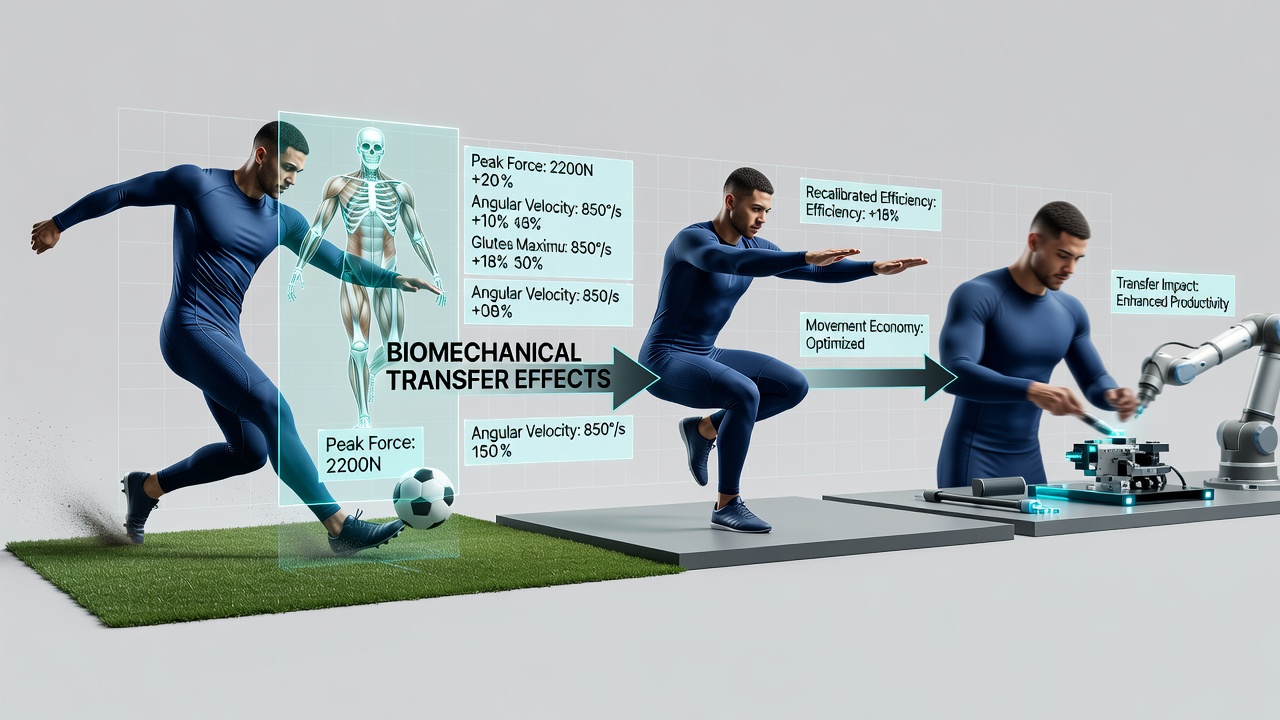
Tennis players incorporating golf swing elements have recorded measurable changes in serve placement precision, according to performance reports compiled through 2025. The lateral weight transfer patterns from golf drives recalibrate racquet head speed timing, producing higher percentages of unreturnable serves in Grand Slam events. Category leaders in ace statistics evolve as these cross-domain techniques integrate into standard preparation protocols over successive seasons.
Data Patterns Emerging in 2026 Tracking Cycles
Figures compiled through June 2026 from international federations illustrate continued recalibration, particularly among athletes who rotate between summer and winter disciplines. Speed skaters who adopt cycling cadence drills show reduced lap times in subsequent competitions because pedaling mechanics refine push-off angles on ice. Such adjustments appear in Olympic qualification data, where efficiency gains accumulate across four-year preparation windows and shift medal contention tables in endurance events.
Researchers at the University of Calgary have tracked similar phenomena in rugby players transitioning from American football backgrounds, noting that tackling form refinements from gridiron experience lower injury rates while boosting tackle completion percentages in international matches. These patterns stabilize after multiple seasons because proprioceptive feedback loops reinforce optimal joint angles regardless of the sport's primary contact demands.
Long-Term Benchmark Adjustments Across Domains
Evidence from multi-sport cohort studies demonstrates that efficiency leaders in one domain rarely retain dominance without incorporating transferred patterns from secondary activities. Soccer goalkeepers who train with handball elements improve dive extension ranges, which correlates with higher save percentages in penalty scenarios tracked over five-year spans. The underlying kinetic chain adaptations prioritize scapular stability that applies equally to both sports, producing measurable output changes without altering primary technique fundamentals.
Category leaders across leagues adjust positions on statistical tables when these transfers scale through academy systems and professional development pathways. Data streams from wearable sensors since 2015 confirm that athletes who diversify movement exposures achieve steadier progression curves, with recalibrated benchmarks appearing in sprint, jump, and rotational metrics alike.
Conclusion
Biomechanical transfer effects continue to reshape efficiency standards as athletes integrate specialized patterns from one domain into training for unrelated events. Longitudinal records show these recalibrations unfold gradually across multi-year cycles, with category leaders reflecting the cumulative impact of shared neuromuscular adaptations. Performance datasets from major leagues and international competitions document the ongoing evolution of benchmarks when movement efficiencies cross traditional sport boundaries.