Biomechanical legacies across disciplines: how early multi-sport participation patterns correlate with sustained output metrics in professional football, basketball, and baseball careers
Mia Wagner · Oct 22, 2026
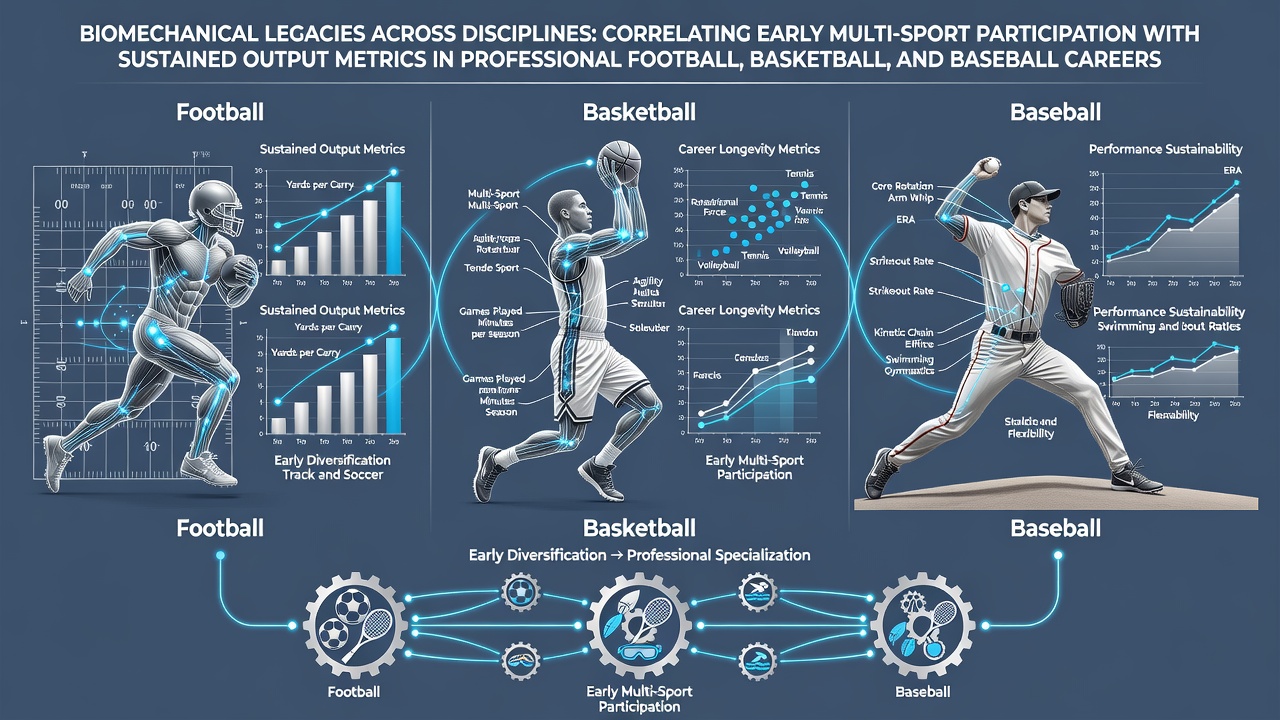
Biomechanical legacies across disciplines: how early multi-sport participation patterns correlate with sustained output metrics in professional football, basketball, and baseball careers
Studies tracking athlete development have long examined how participation in several sports during childhood and adolescence shapes later performance, and data from professional leagues continue to highlight connections between early multi-sport involvement and extended output consistency in football, basketball, and baseball.
Youth Participation Trends and Biomechanical Foundations
Research indicates that athletes who divide their time across sports before age 15 often develop broader movement repertoires, which include varied joint loading patterns and neuromuscular coordination that single-sport specialists may not acquire at the same rate, and longitudinal tracking from youth academies shows these athletes frequently maintain higher functional mobility scores into their professional years. Observers note that such patterns appear across different geographic regions, with programs in North America and Europe recording similar distributions of multi-sport backgrounds among those who reach elite levels. Data from national registries reveal that roughly 60 percent of players entering major professional drafts in recent cycles listed involvement in at least two organized sports through high school, while those with narrower histories sometimes display earlier plateaus in key physical benchmarks.
Output Metrics in Professional Football
Analyses of NFL player histories demonstrate that individuals with multi-sport youth records tend to sustain rushing or receiving yards per game at steadier rates beyond their fifth season compared with early specialists, and position-specific data from the league's injury surveillance system link these athletes to lower rates of soft-tissue strains that can interrupt seasonal production. One cohort study following draftees from 2010 onward found average career lengths extending 1.8 seasons longer for the multi-sport group, with cumulative snap counts remaining elevated through age 30, while single-sport trajectories more often showed declines in acceleration metrics captured by wearable sensors. Researchers have pointed to the diversity of early loading as a factor supporting better tissue resilience under the repeated high-impact demands of professional play.
Basketball Career Longevity Patterns
In the NBA, performance databases indicate that players who competed in multiple sports before focusing on basketball frequently post more consistent player efficiency ratings and minutes-played totals into their late twenties and early thirties, whereas those who specialized earlier sometimes exhibit sharper drops in rebounding or defensive metrics after repeated seasons of high-minute loads. League medical reports compiled through 2025 show reduced incidence of overuse injuries among the multi-sport cohort, allowing for steadier contributions in advanced statistical categories such as true shooting percentage and assist-to-turnover ratios. Tracking by player development staff across franchises has identified that athletes arriving with varied athletic histories often adapt more readily to positionless role shifts that have become common in contemporary lineups.
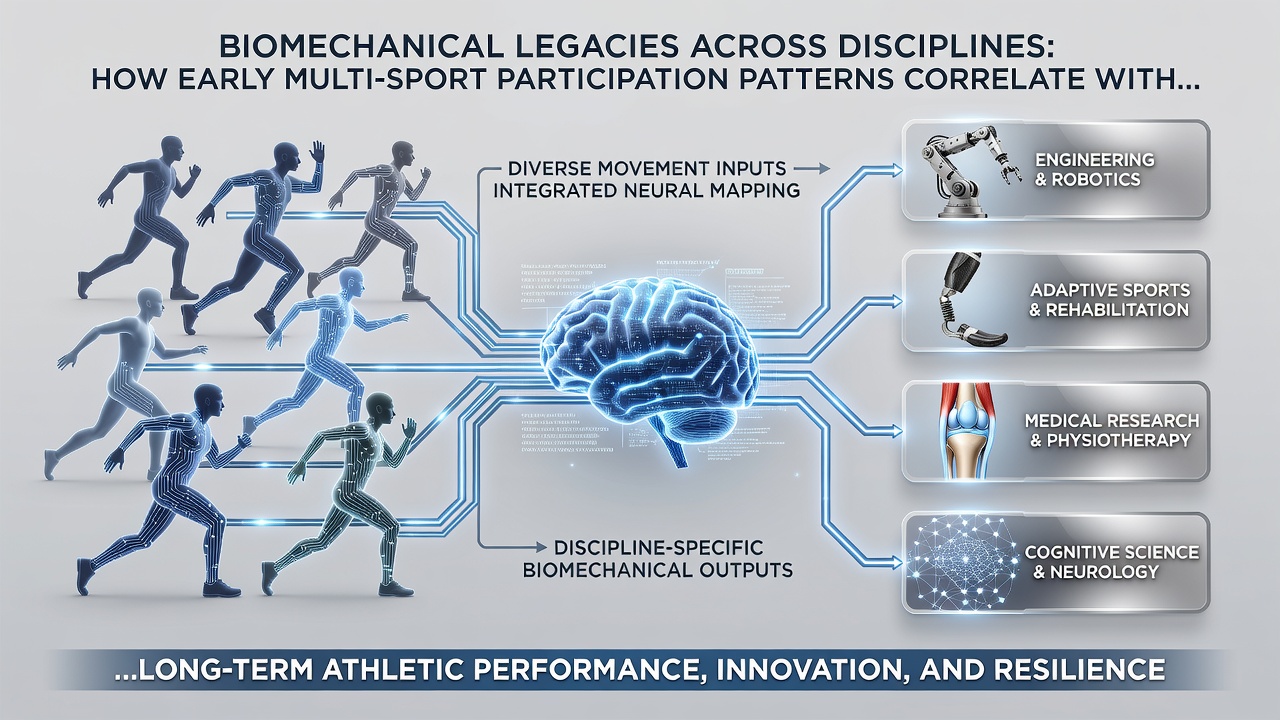
Baseball Statistical Endurance
MLB records examined by biomechanics researchers show that position players and pitchers with multi-sport backgrounds before high school maintain batting averages and earned-run averages with smaller year-to-year variance after age 28, and exit-velocity data from Statcast systems reflect more stable power outputs across extended careers. Pitchers who participated in other throwing or striking sports in youth sometimes display slower declines in velocity retention, according to pitch-tracking archives maintained by the league, while hitters from similar backgrounds record steadier on-base percentages through additional seasons. Front-office analysts have noted these trends in draft evaluations, where multi-sport participation histories factor into projections for long-term output rather than peak early production alone.
Cross-League Comparisons and Shared Indicators
Comparative reviews across the three leagues highlight overlapping indicators, including lower cumulative injury burdens and extended periods of above-replacement-level performance, and data aggregated from draft classes since 2012 suggest that early diversification correlates with higher probabilities of reaching 10-year career milestones in each discipline. Training studies conducted at institutions in Australia and Canada have documented improved force-production symmetry and reduced asymmetry scores among athletes who accumulated varied movement experiences, which in turn align with the sustained output metrics observed in professional competition. As October 2026 approaches, updated league dashboards continue to feed these datasets, allowing analysts to refine models that connect youth participation patterns with later biomechanical efficiency.
Conclusion
Available evidence across football, basketball, and baseball points to measurable associations between early multi-sport participation and prolonged maintenance of key performance indicators, with researchers continuing to refine the underlying mechanisms through ongoing surveillance and biomechanical assessments. These patterns inform development pathways at youth and collegiate levels, where program design increasingly incorporates elements that build diverse physical competencies before specialization occurs.